Platinum Carbon Black On Midori MD paper
Dry Time and usability on the move
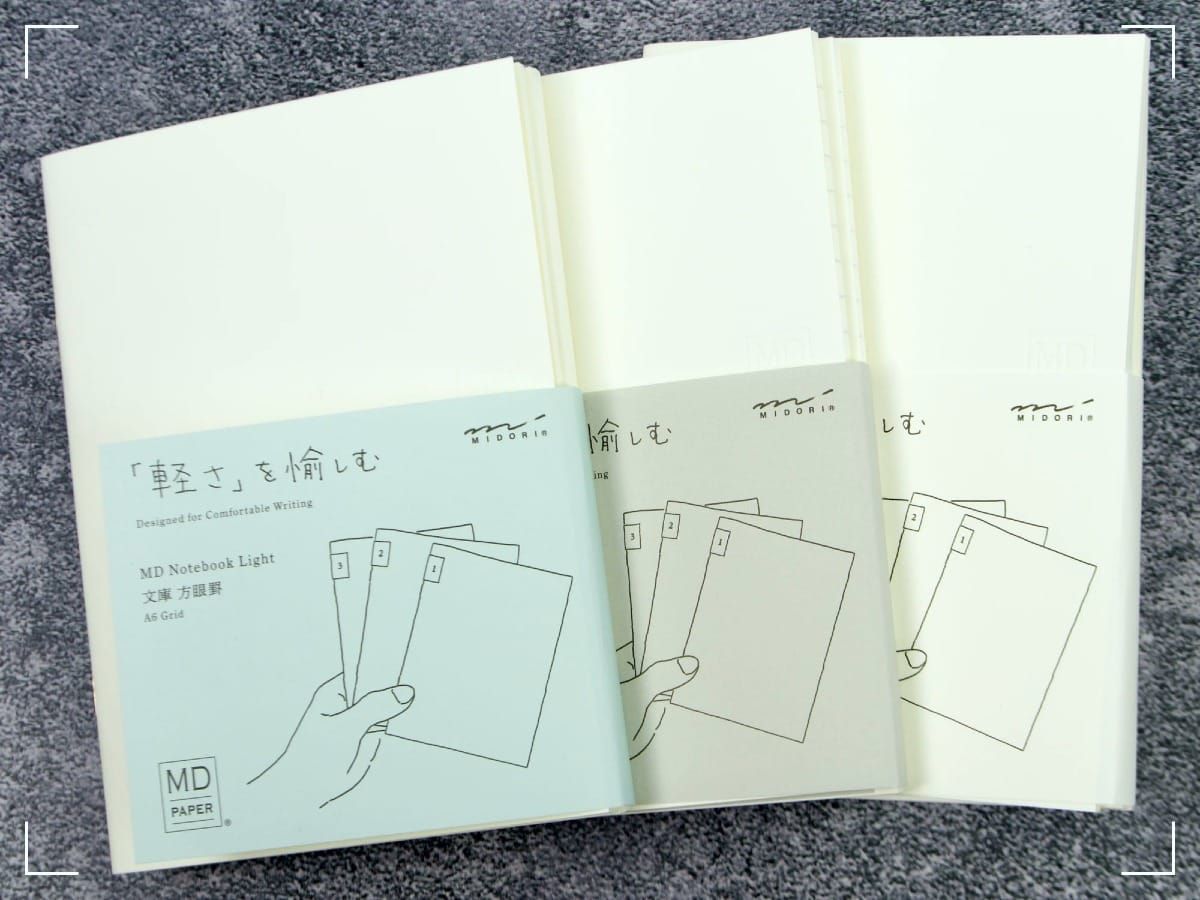
You want a black ink that behaves. Not a drama queen. Not a puddle in your cap.
That's why Platinum Carbon Black keeps coming up when people talk about serious writing, sketching, archiving, and notes that need to survive coffee, rain, your own clumsy hands, and time. Put it on Midori MD paper, and things get interesting fast. You get a paper known for balance, a little tooth, decent dry times, and a light cream shade that doesn't dirty the ink.
If you live with Fountain pens, this pairing matters. It's the kind of combo that tells the truth before you ruin a page in one of your favorite notebooks.
Why Platinum Carbon Black and Midori MD make sense
Platinum Carbon Black is a pigment ink. That's the whole racket. Instead of behaving like a regular dye ink, it leaves carbon particles behind as the liquid dries. That's why it has a reputation for permanence. If you want the chemistry without the fog, this waterproof overview of Platinum Carbon Black lays it out cleanly.
Midori MD, on the other hand, is one of the most even-handed fountain pen paper choices around. It doesn't chase extreme sheen like Tomoe River Paper. It doesn't feel glassy like some coated sheets either. Instead, it gives you a softer landing. Ink looks rich, feathering stays low, and dry times usually stay sane.
That balance is why Midori shows up everywhere. In plain MD notebooks, in Midori paper light inserts, and in systems that people carry like portable filing cabinets. If you want more background on how these books are made, this look at the Japanese notebook manufacturing art gives you the bones under the skin.
The paper has a light cream tone, but it's pale enough that black ink still looks black. No muddy cast. No old-lamp yellow haze. Just solid contrast.
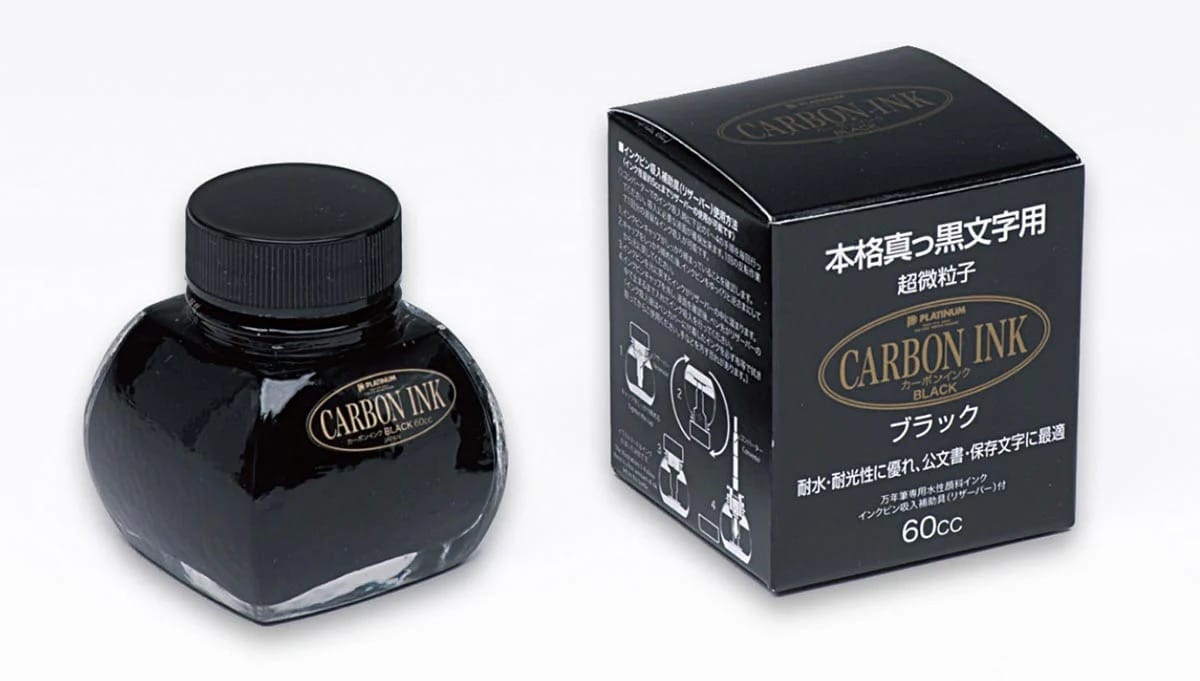
Dry time on Midori MD, the honest version
Here's the blunt truth. Platinum Carbon Black dries fairly fast on Midori MD, but not instantly.
With a fine or medium nib, the danger lies in the first few seconds. That's when the ink is still vulnerable. After that, it settles down fast. Midori MD absorbs a bit more than ultra-slick papers, so you're not waiting around like you would on some showcase sheets.
A simple dry-time pass on Midori MD usually looks like this:
| Swipe timing | What you usually see | Real-world verdict |
|---|---|---|
| 5 seconds | Dark smear, obvious drag | Too soon |
| 10 seconds | Light smear, mostly readable | Risky for fast hands |
| 15 seconds | Minor haze or none | Safe for most note-taking |
| 20 seconds and up | Clean line | Comfortable |
That's the sweet spot. Not instant. Not sluggish. Just usable.
Nib size changes the whole scene, of course. A wet broad nib dumps more ink and buys you more waiting. A Japanese fine behaves better. Humidity also messes with the clock, because the world likes chaos.
Still, Midori MD holds its line well. You get enough absorbency for daily work, yet you keep the sharp edges that make Platinum Carbon Black look serious.
Smear test results, where the trouble really lives
A smear test tells you more than a glamour shot ever will. Fresh black ink can look perfect and still betray you the second your hand crosses the page.
On Midori MD, Platinum Carbon Black resists smearing better than you might expect from such a dense black. The first pass, right after writing, will move. No miracle here. Yet once the surface dries, the line tightens up and stays put. That's where this ink earns its reputation.
On Midori MD, the smear risk is front-loaded. Wait a breath, and the problem mostly dies.
That makes it good for real use. Journals. Draft pages. Margin notes. Sketch captions. The usual paper life.
You still need discipline. Left-handed writers and fast scrawlers can catch the line if they rush. But this isn't one of those inks that stays wet forever, mocking you from the page. Midori MD helps because it was built for writing first, not just for showing off ink tricks.
And yes, it's smart to clean your pen. Permanent pigment inks pay rent, but they expect housekeeping. If you rotate pens often, keep a short list of fountain pen vendors and resources handy for maintenance, repairs, and parts.
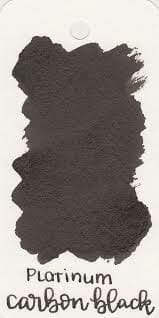
How it compares with Tomoe River, Rhodia, and Clairefontaine
This is where the paper tells on itself.
Midori MD is the practical middle ground. It dries Platinum Carbon Black faster than Tomoe River 52grm paper, and usually faster than Tomoe River 68grm paper too. That matters if your notebook lives in motion. Think digital nomads, analog nomads, commuters, or anyone writing on the move.
Tomoe River Paper still wins if you want ink drama, surface sheen, and long dry times that feel like a dare. Rhodia paper and Clairefontaine paper stay smooth and polished, but many writers find Midori easier to live with day to day. The texture has a little resistance, and that helps the line feel anchored.
Yamamoto paper can be brilliant for showing fine differences between inks. Yet with Platinum Carbon Black, you're not hunting fireworks. You're hunting reliability.
If your notes move between systems, this matters even more. A page in a Plotter, a Ro-Biki, a Traveller's Notebook, or a Midori TN doesn't get special treatment once it's in the wild. It gets handled, bent, scanned, and shoved into bags. Some people even slip Midori inserts into what they call a Rotenfaden-style carry setup because modular life never sits still. If that page needs to work as a movable capture tool, this guide to a fountain pen friendly Plotter workflow fits the same mindset.
For broader paper samples, Mountain of Ink's Platinum Carbon Black review is useful because it shows how the ink shifts across different surfaces.
Conclusion, summary, key takeaway, links
(paying members only)