Write Letters
Your Children Will Read To Get To Know You Better
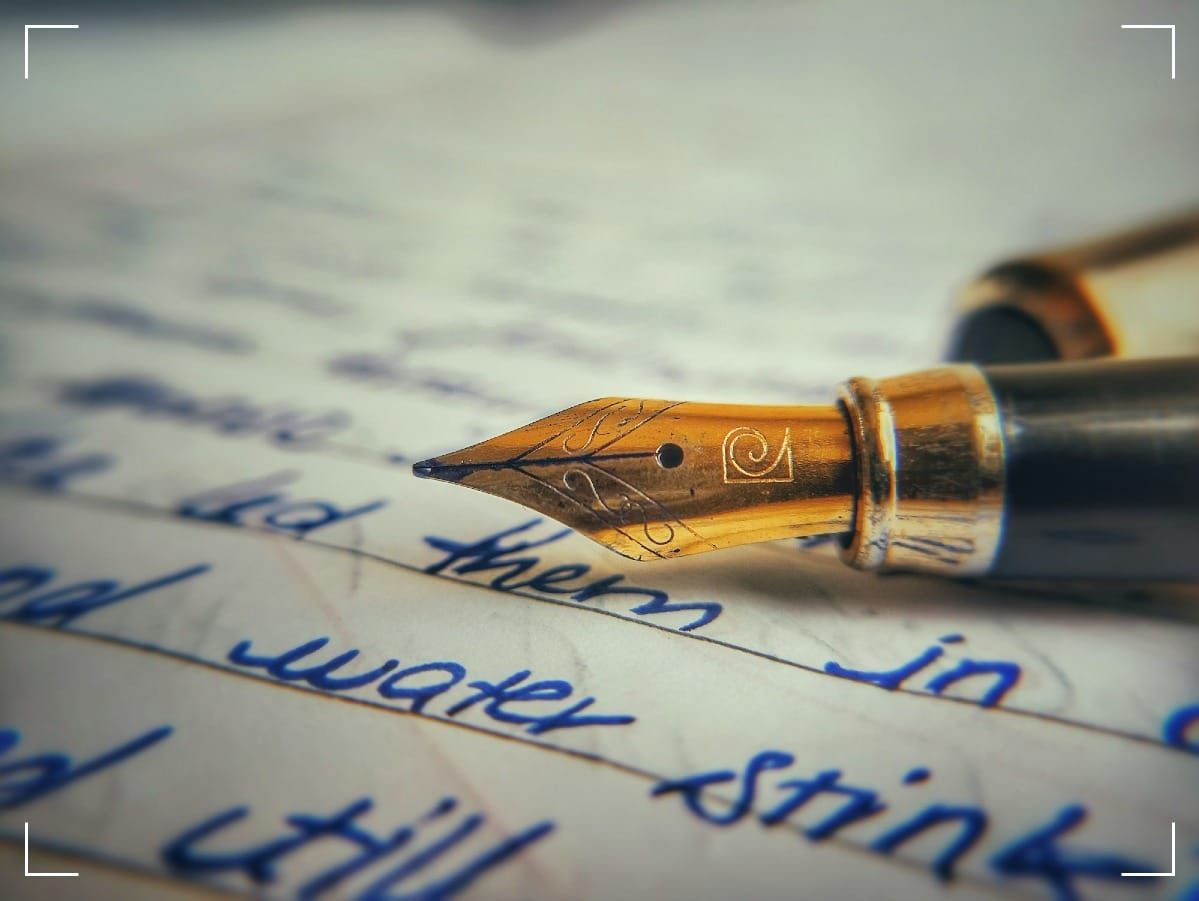
A phone can hold ten thousand photos and still tell your children almost nothing about how your life felt from the inside. It can show your face, your kitchen, your dog, your vacations, and your birthday cake. It usually can't tell them what scared you at 2 a.m., what work cost you, what songs got you through a bad winter, or how much you loved them when the house was loud, and you were tired.
That gap is where letters earn their keep. A letter gives your child your voice, your values, and your mind in plain clothes. In 2026, while more US states push cursive back into schools, plenty of people are also reaching for paper again because disposable messages leave a thin record. If you want to leave something human, start there.
Why these letters matter more than another folder of photos
Your children will inherit proof that you lived. They may not inherit proof of what you thought. That is the hard part.
A letter preserves a voice, not only facts. Handwriting carries speed, pressure, pauses, and all the little hesitations a keyboard sands off. Even if you print in block letters, the page still feels like contact. Ink on paper has a pulse. A typed file can last too, but it rarely feels held.
A direct letter can also be truer than a diary. When you write to a real person, you drop some of the performance. You stop trying to narrate your life like a memoir with good lighting. You say the thing. Often, fragments tell the truth better than polished summaries. A note about bad coffee, rent, a grocery line joke, or the way the hallway smelled after rain can say more about a season than a grand statement ever will.
Memory gets mean with time. It flattens entire years into one thin sentence. You can hear that in old family stories, where a decade becomes, "that was the hard period," and then the room goes quiet. Writing now saves texture before it burns off. If you want a practical starting point for the larger legacy-letter side of this, this step-by-step legacy letter guide is a useful outside reference.
Your child may forget the wallpaper, the car, the exact street. They won't forget the page where you sounded like yourself.
What kind of letters to write
You don't need one perfect document. That kind of pressure kills habits before they start.
Legacy letters for later
Write a few letters meant for old age, illness, or after death. Keep them warm. Keep them honest. Write about your flaws, the mistakes you still carry, and what those mistakes taught you. Name your hopes for your child without trying to run their life from beyond the grave.
Milestone letters for key ages
Some people freeze when they try to write one grand final statement. Milestone letters solve that. Write a short note for age 5, 13, 18, 30, or for a first heartbreak, a first home, or new parenthood. One page a year can become a remarkable family archive. If you want examples of milestone thinking, this piece on future milestone letters gives you the broad shape.
Every day letters that catch life in motion
This is where the good stuff lives. Write about dinner tonight. The dog getting old. The bus ride home. The neighborhood noise. The cheap pen you kept using because it never failed you. Notebook logic works here: short, fragmented writing is easier to keep up with, and it often catches perception more cleanly than a polished narrative.
Values letters that explain how you lived
Pick one subject per letter: friendship, money, grief, marriage, faith, doubt, anger, work, home. If you keep a commonplace-style notebook, add copied song lines, book passages, ticket stubs, sketches, or a receipt from a night that mattered. Then add a few lines on why it stayed with you. Advice alone can sound like a lecture. Evidence has more blood in it.
What to say when you don't know how to begin
Start narrow. Wide topics make the hand stall.
Write about the city your child may never know. Describe one ordinary day in detail. Explain who you were before parenthood, and what changed. Name the unseen part of your work. Write about the objects that stayed with you, your camera, your notebook, your old bag, the pen you trusted when your head was crowded.
A simple formula helps. Give each letter one real scene, one lesson, and one line of affection. Most of the space should come from your side of the glass. A smaller part can invite reflection later.
Better prompts live below the cliche line. Write about what adulthood promised and what it paid out. Write about what you misunderstood at their age. Describe how a room smelled, how a street sounded, what a certain winter light did to your mood. If you struggle to find the tone, this letter to future children shows how tenderness and edge can sit on the same page.
How to make the habit stick without turning it into homework
The best system is the one you can keep when you're tired.
Choose a format that fits your actual life. Loose letters in envelopes work fine. So does one bound notebook for one child. If you like moving pages around, a slim ring setup can help; this Plotter notebook system guide gets the capture, refine, archive rhythm right. If you live out of a bag, a Midori Traveler's style setup, Ro-Biki notebook, or simple folder with postcards may be enough.
Keep the rhythm low-friction. Once a month works. Birthdays work. The week after a family trip works. A hard season works. So does any night when one sentence keeps circling your head like a moth at the lamp. Missed weeks don't matter. Restarting matters.
Make the act pleasant, because pleasure keeps habits alive better than guilt. Leave one pen inked and ready. Keep envelopes, stamps, and a folder in one place. Use a paper you enjoy touching. If you write with fountain pens, favor legibility over flourish. Midori has warmth and tooth. Clairefontaine and Rhodia stay clean and dependable. Tomoe River is great when you want long archives in a slim stack, and this Tomoe River paper guide for fountain pens helps if you go that route. Ro-Biki and field notebooks are better for rough carry. If dry time keeps wrecking your pages, this fountain pen ink dry time guide will save you some grief.
Analog, digital, or both
Handwritten letters hit harder because they ask more of you. They also protect you from the worst screen habit there is: pretending storage equals memory. A folder full of files can vanish behind a dead password, a bad backup, or a platform nobody uses in ten years.
Still, digital has its place. Scan or photograph every letter. Save each as a PDF with clear filenames, such as 2026-04-Child1-rainy-tuesday-letter.pdf. Back up the files to two places. Keep a simple index. Review the archive once a year. Check paper condition, box labels, and the backup drive. That is boring work, and boring work is what keeps a family archive alive.
If your hand hurts, type the letter and sign it by hand. If your script is messy, print. If you want richer material choices, paper tests, nib talk, and the strange chemistry between ink and cellulose, please subscribe.
Archive the letters so they can be found
A beautiful pile is still a failure if nobody knows it exists.
Store physical letters in acid-free folders or envelopes, inside a document box, away from heat, damp, and sunlight. Label by child, year, or theme. Date every page. Name people and places. Add one line of context when needed, because memory fades faster than pride admits.
Then make a retrieval plan. Tell one trusted adult where the archive lives. Mention it in estate papers. Leave instructions for digital files and passwords. Decide whether the letters should be opened after your death, at certain ages, or with you still in the room. All three paths can work.
A simple weekly session is enough: date the page, name the child, note the place, describe one scene from today, say why it mattered, sign it, store it, scan it.
Common fears, plus the short answers
You may still resist. Fair enough. Most people do.
- "I don't know what to write." Start with one day, one object, one mistake, or one family story.
- "My handwriting is ugly." Legibility matters. Beauty doesn't. Plenty of adults still carry school shame about penmanship they never deserved.
- "I don't have time." One page is enough. Four pages is often more than enough.
- "This feels morbid." It is care, not doom. Writing for later also changes how you speak now.
- "My child may never read them." Maybe. The pages still record your mind, and that record may help someone else in the family.
If you start late, start late. A short note written now beats twenty years of intention.
One dated page this week is worth more than a perfect archive that never leaves your head. Leave your children something they can hold, read, and hear in their mind after the room goes quiet.
Conclusion, summary, key takeaways, links, download(s)
(Reserved for paying members)