How to Use Neokyo
To Buy and Ship Japanese Goods to Europe
You find the exact pen, notebook, pouch, camera strap, record, or book you want. It's sitting in a small shop in Japan like a locked room with the light on. It's the product you were looking for. The price is right. It's only available in Japan. But the Japanese shop refuses foreign cards, won't ship to Europe, or acts like your address doesn't exist.
That's where Neokyo comes in.
Not as magic. Not as a guaranteed bargain. Just as a practical way around a familiar wall. As of March 2026, Neokyo is operating normally and shipping across most of Europe. Still, shipping times can wobble because customs and carriers have their own weather.
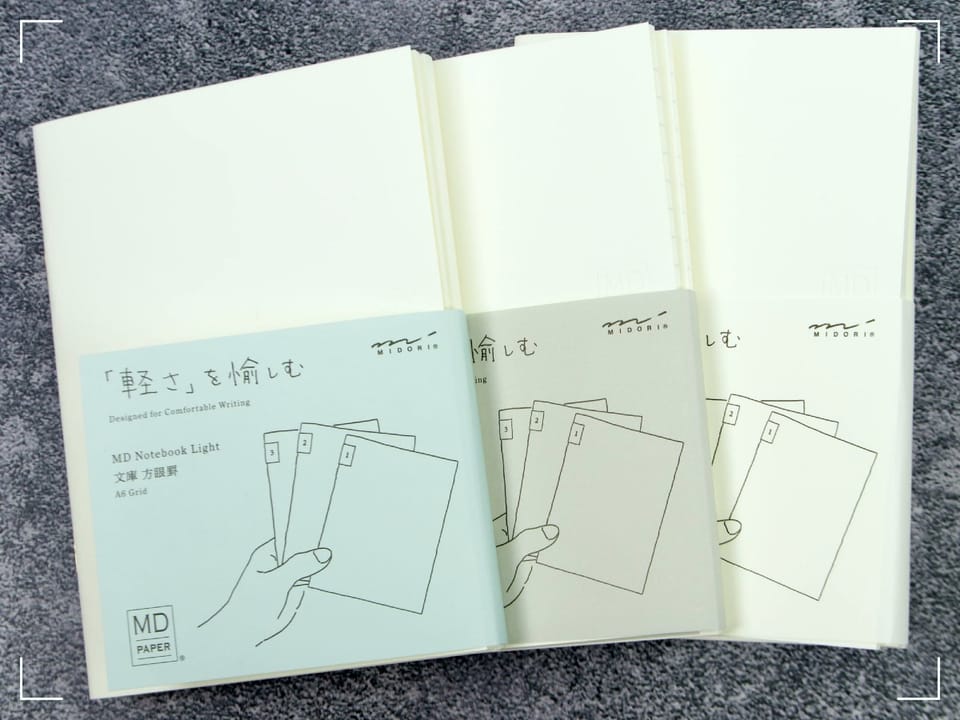
If you chase fountain pen paper, Japan-only refills, Midori oddities, Plotter inserts, Traveler's Company accessories, or niche photo gear, this matters. A lot of Japanese goods do show up in Europe, but the spread is thinner, the prices get swollen, and the stock can be old or uncertain. One paper change, one silent revision, one shop sitting on older inventory, and the notebook you wanted turns into a different animal.
What Neokyo Actually Is
Neokyo is a Japanese proxy buying and forwarding service. In plain English, it buys from Japanese stores or marketplaces on your behalf, receives the goods in Japan, and then ships them to your address in Europe.
That makes it different from the three other beasts.
First, it's not a direct international checkout. You are not buying from the Japanese seller as a normal overseas customer.
Second, it's not just a forwarding address. A pure forwarder gives you a Japanese address and expects the shop to accept your card. Neokyo can step in and make the purchase for you.
Third, it's not an eBay reseller adding a grin and a markup. You're closer to the original market, even if fees still apply.
You can get the broad picture on Neokyo's official site.
These services still exist because many Japanese sellers choose to remain domestic. Sometimes it's fraud control. Sometimes it's logistics. Sometimes it's a habit, licensing, or a checkout system that chokes on foreign cards and non-Japanese addresses.
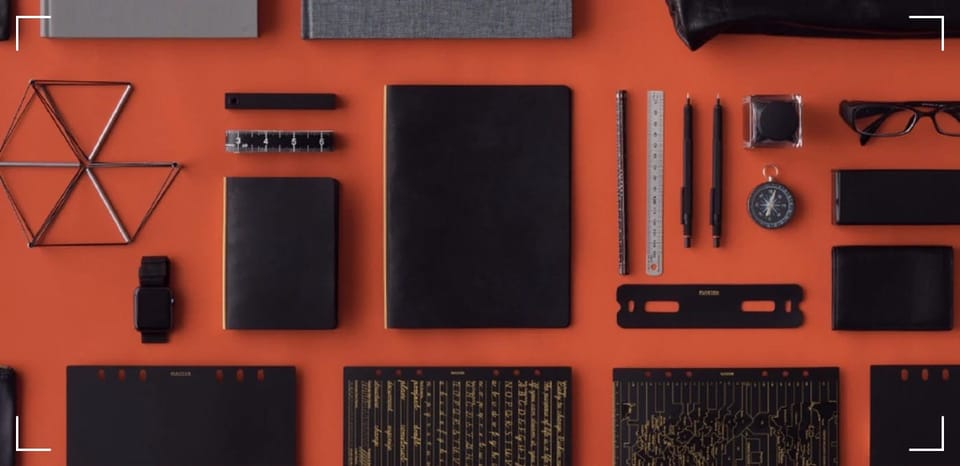
For stationery people, that gap is real. You can often find Japanese notebooks abroad, sure. But selection narrows fast. Colors disappear. Refills vanish. Special paper batches come and go. A premium Japanese notebook may look restrained, almost severe, with dark covers, clean lines, and strong materials, yet the appeal often lives in the paper inside. Fountain pen users notice the small stuff: dry time, feathering, ghosting, and sheen. One quiet paper revision can change the whole verdict.
If you like understanding why certain Japanese notebooks feel so precise in the hand, the behind-the-scenes of Japanese stationery making angle adds useful context.
Neokyo solves access. It does not erase fees, customs, or bad luck.
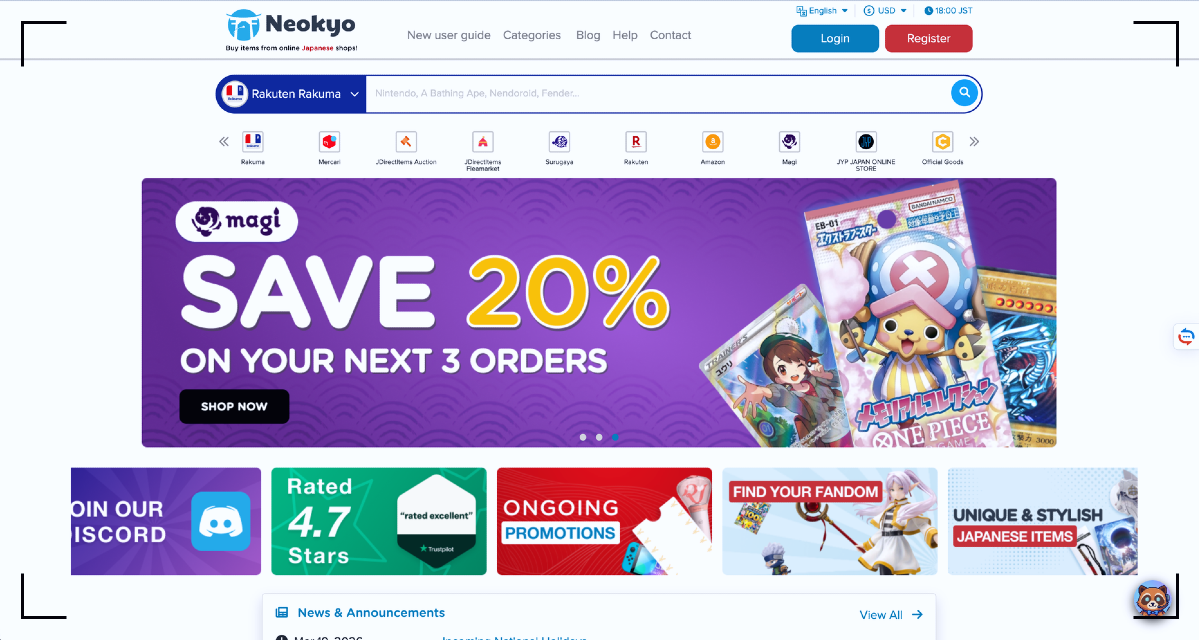
How Neokyo Works, From Listing to Your Door
The process is simple on paper. In real life, it pays to move slowly.
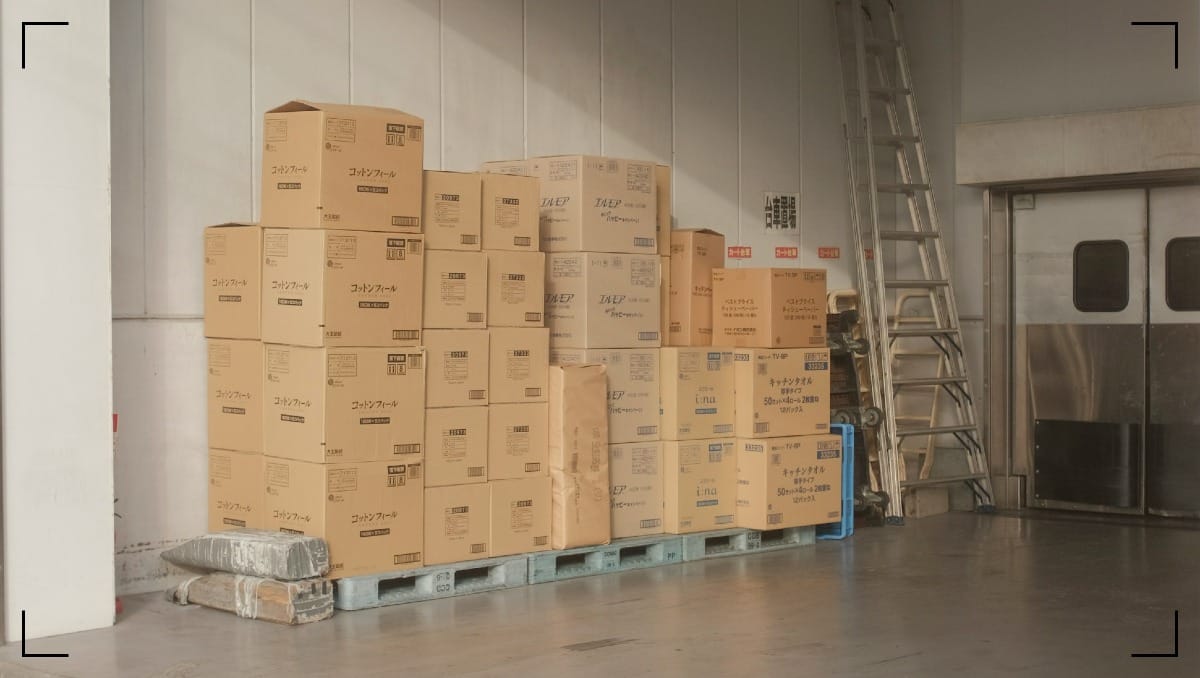
You find an item on a Japanese marketplace or shop. Neokyo buys it for you or helps you route the order through its system. The seller then ships the item to Neokyo's warehouse in Japan. After that, you choose whether to store, combine, and ship your items to Europe.
That middle step is the whole trick.
If you're buying a single notebook, the math may feel harsh. If you're building a small parcel with refills, a pen case, and a book, the numbers often look better. Neokyo gives you free storage for 45 days per item, so you can wait, stack purchases, and send them out together instead of bleeding money on repeat shipping.
Here's the fee structure you should keep in your head:
| Cost area | What you pay |
|---|---|
| Service fee | 350 yen per item |
| Packing fee | Starts at 500 yen for parcels under 2 kg |
| Storage | Free for 45 days per item |
| Reopening a packed box | 1500 yen optional fee |
That's the clean version. Then come shipping and your local import charges.
For Europe, the usual trade-off is brutal and familiar. Surface is cheap and slow, often measured in months. Airmail is faster, often under 10 days. EMS, FedEx, UPS, and DHL are usually quicker still, often under a week, but you pay for the privilege. Cheap, fast, painless, pick two.
If you want to see the flow before you risk your wallet, this screen-recorded Neokyo tutorial shows the buying, consolidation, and shipping process in practice.
The Real Cost, The Real Risks, and When to Skip It
The item price is only the first number. Then Neokyo adds the service fee. Then packing. Then shipping. Then your country may slap on VAT, customs, or handling charges when the parcel lands. That's the part people like to forget, right up until the text message arrives.
So, when does Neokyo make sense?
Usually, when the item is hard to get, still reasonably small, and worth the trouble. Pens, notebooks, refills, slim pouches, books, parts, camera straps, and small-batch accessories fit the profile.
When should you skip it? When the item is cheap and bulky. When it's fragile and common. When you can buy it in Europe for only a little more. And when you need it fast but can't stomach express shipping.
If the item is cheap and bulky, the math usually turns ugly.
You should also watch for seller quality. Proxy services help you access the market, but they don't turn every seller into a saint. Read descriptions carefully. Look for signs of wear. Check whether the listing is vague, because vague listings breed expensive lessons.
A third-party overview like this Neokyo platform summary can help you compare expectations before you commit.
Conclusion, summary, key takeaways, links
(Reserved for paying members)