Fountain Pen Ink That Behaves On Cheap Printer Paper
Ink that works where real life happens
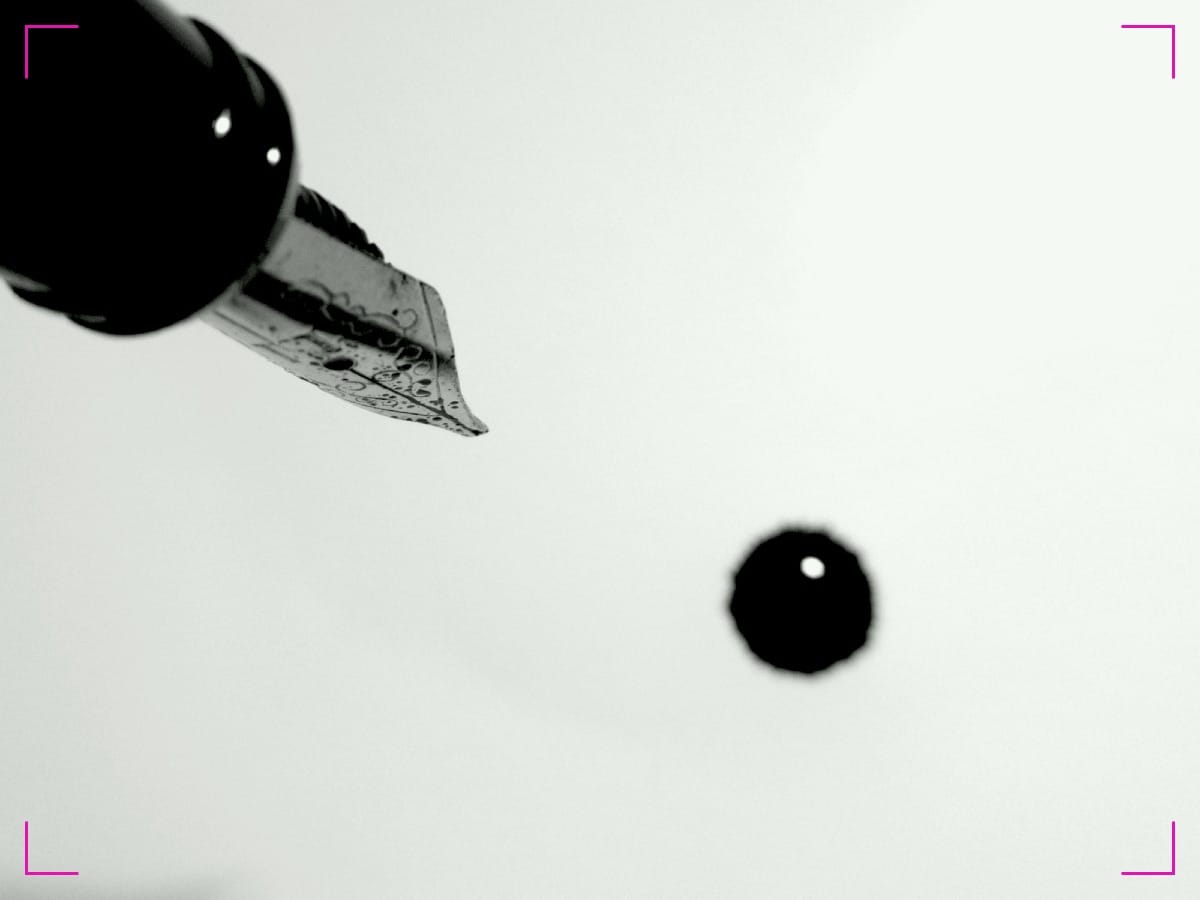
Cheap printer paper has a talent for betrayal. You lay down a clean line, and it crawls outward like a stain with a plan. Feathering. Bleed-through. The back side of the page becomes a confession you didn't mean to make.
Still, you want your fountain pen ink to work where real life happens, on office forms, shipping labels, draft prints, and whatever the front desk bought in bulk. So you adapt. You pick inks with discipline, and you pair them with pens that don't gush.
This is the unglamorous stuff. The part that keeps your pages readable when the paper is bad and your day long.
Why does cheap printer paper misbehave?
Printer paper is built for toner, not liquid dye. Most of it is porous, fast-wicking, and inconsistent from ream to ream. One sheet feels hard and sealed. The next drinks ink like it's been waiting all week.
That's why you can't talk about "good ink" without naming the crime scene. On fountain pen paper like Clairefontaine, Rhodia, or Tomoe River Paper, ink sits on the surface longer. Lines stay sharp. Shading and sheen show up like streetlights in the rain. On cheap copy stock, the fibers pull ink sideways. The line fattens. Letters turn soft at the edges.
When people argue about what "works," they often mix up three problems:
- Feathering: the line grows hair because ink spreads along paper fibers.
- Bleed-through: ink punches through to the other side.
- Ghosting (show-through): you see the writing from the back, even if it didn't bleed.
Here's the part most folks miss. Your writing style matters. Heavy ink application changes everything. If you scribble, cross-hatch, or fill shapes, you're flooding a tiny area. Even a well-behaved ink can bleed when you pool it. In normal writing, that same ink may stay clean.
If you want a sense of how wide the debate runs, skim community reports like the thread on inks for inexpensive copy paper. You'll see a pattern: paper quality sets the trap, then wet pens and saturated inks spring it.
What "well-behaved" ink looks like on copier paper
On cheap printer paper, you're not chasing sheen. You're chasing control. The best ink here has one job: stay inside the lines.
That usually means your ink leans "dry," or at least moderate. It also means the color is less concentrated, and the flow doesn't dump a puddle into every loop of your handwriting. You can still enjoy color, you just pick colors that don't act drunk on porous stock.
This quick table helps you read an ink:
| Ink trait | Why it helps on cheap paper | The tradeoff |
|---|---|---|
| Drier flow | Less feathering and less bleed-through | Can feel scratchy in dry nibs |
| Lower saturation | Less spread and fewer blowouts | Color can look flatter |
| Faster dry time | Smears less on forms and notes | Less sheen, less drama |
| Strong surface tension | Lines stay tighter | Some pens may hard-start |
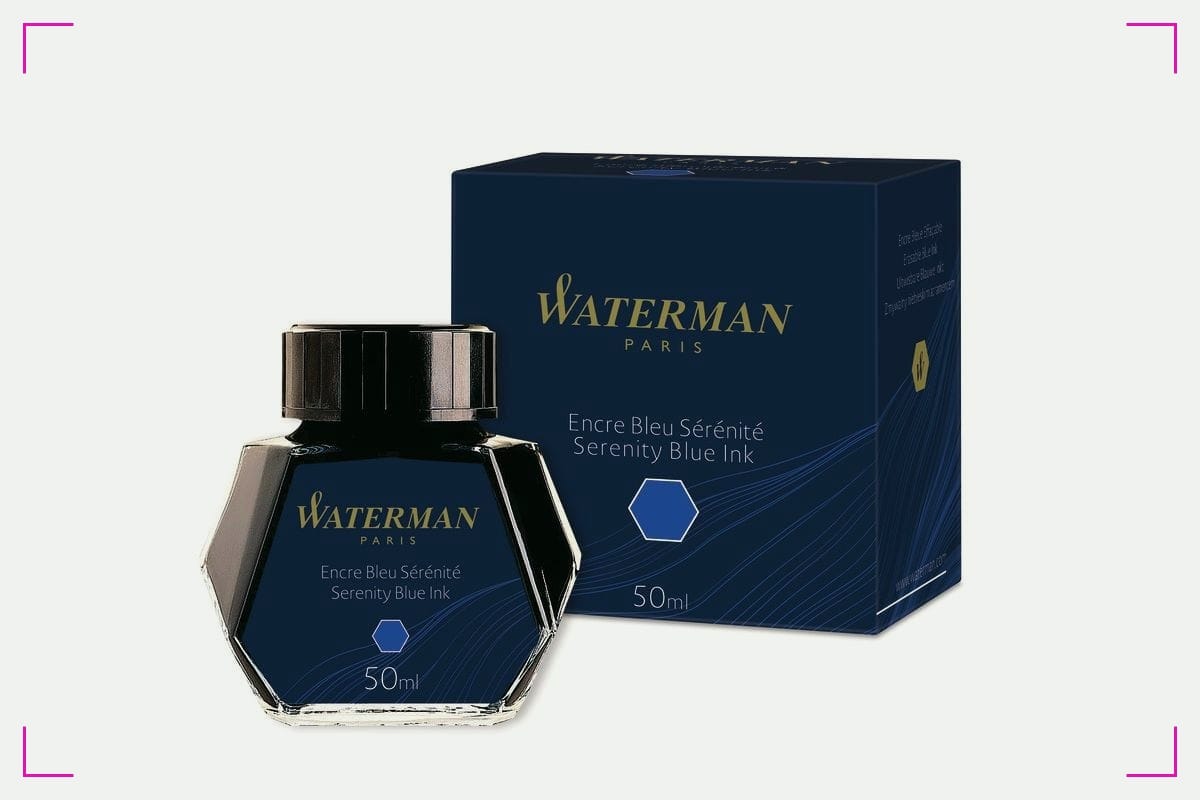
A quiet truth: "safe and boring" often wins. Waterman blues have that reputation for a reason, and many writers lean on them when the office paper is rough. Pelikan 4001 also. Any of your pens can keep the vibe classy without turning every memo into a Rorschach test.
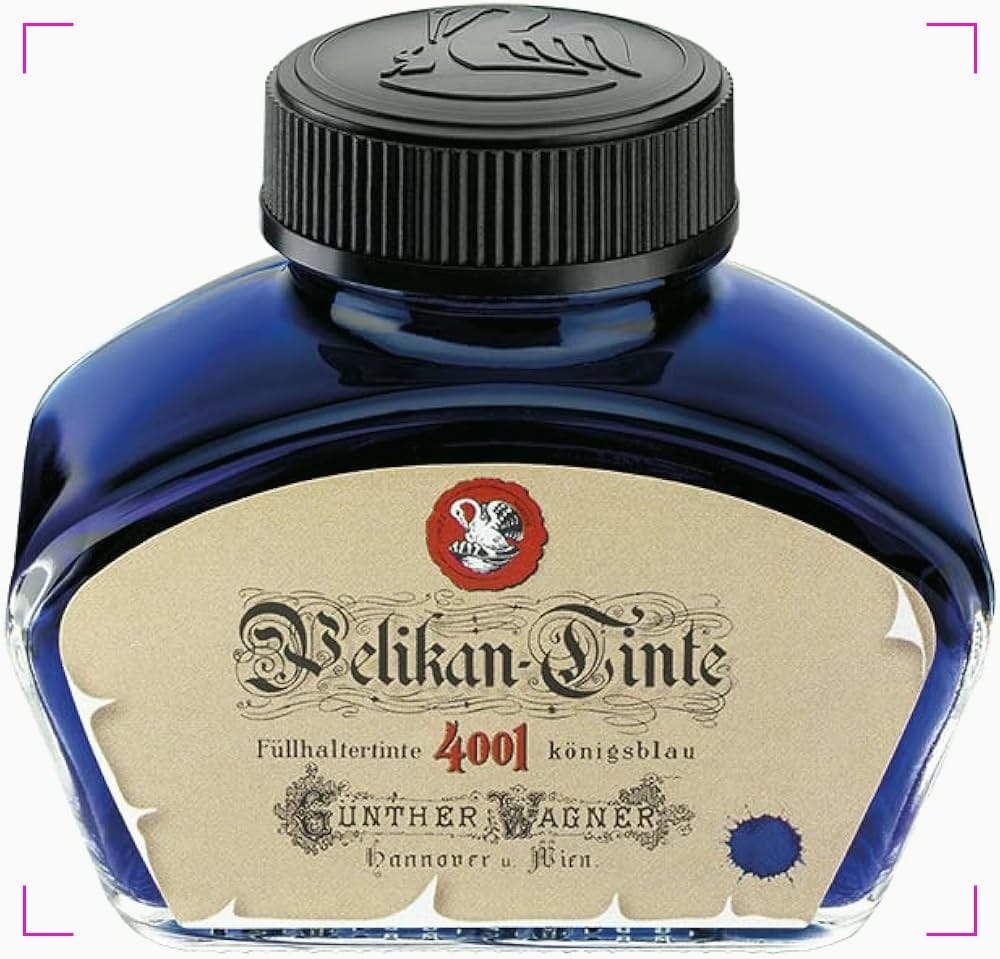
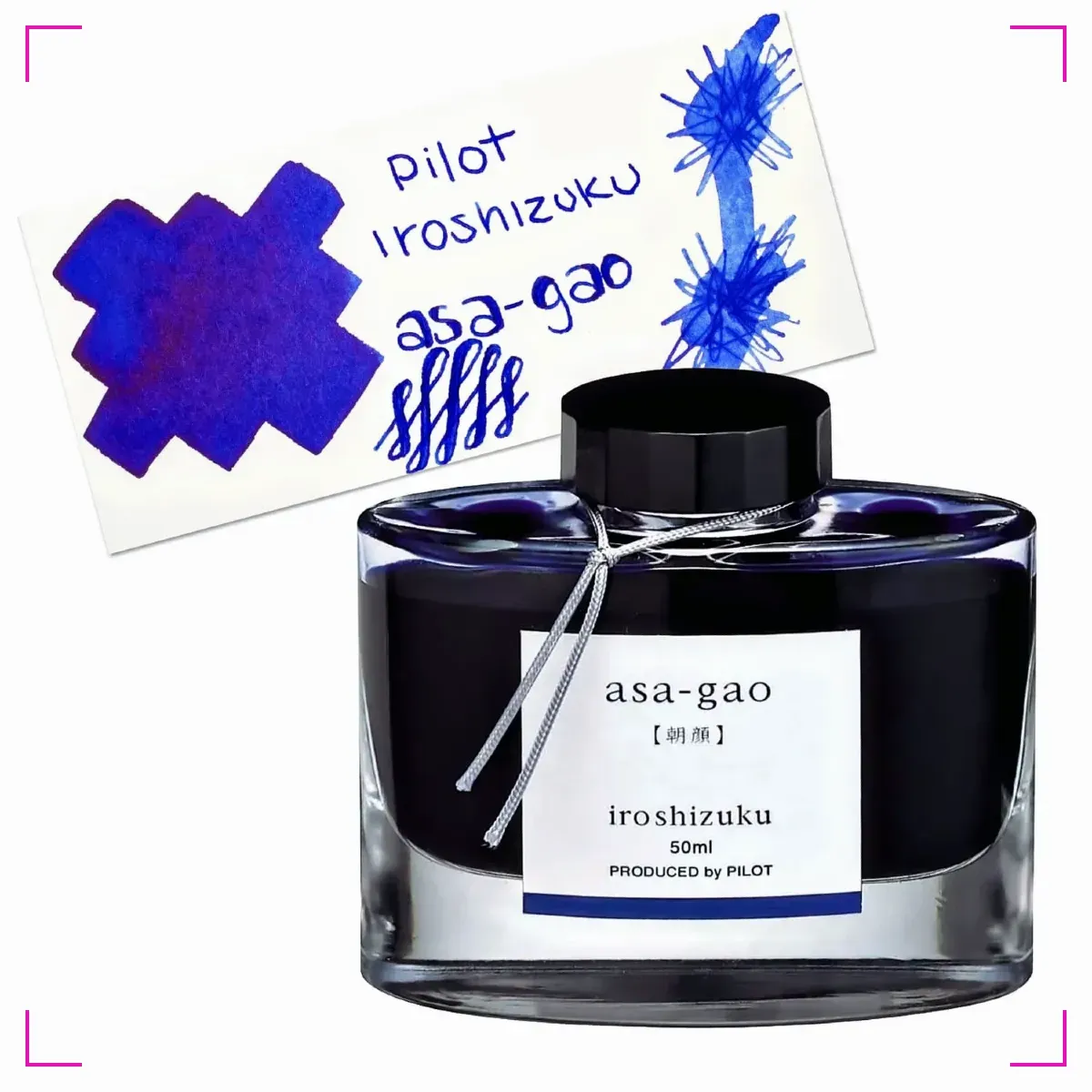
The only con of these inks is that their color "fades-away" when dry. The Iroshizuku Asa-Gao can help you out inf you want more oompf and punch.
Meanwhile, some inks marketed as "work appropriate" focus on water resistance or permanence. That can help, but it can also add maintenance. Pigment and iron-gall styles may behave better on cheap paper, yet you pay with extra cleaning discipline.
If you want a practical shortlist and explanations from a retailer's perspective, JetPens maintains a useful guide to copypaper-safe inks. Read it like a map, not a gospel. Your paper and your nib still get the last word.
Pen choice and nib discipline
The road workflow that saves your pages
Ink is only half the story. The other half lives in your pen. A wet writer turns cheap paper into a sponge. A controlled writer makes the same paper look decent enough to file.
You see it fast when you rotate gear. A Pilot fine can stay crisp where a broad stub won't. A Lamy with a conservative nib can keep a form readable. The same ink that behaves in one pen might feather in another.
On cheap printer paper, the winning combo is simple: a finer nib, a calmer ink, and no hero moves.
Three field fixes keep you out of trouble:
- Go finer: EF or F beats a wet medium on copier paper.
- Write lighter: less pressure lays less ink.
- Blot once: a small blotter card saves the next page.
For another angle on conservative ink choices, Goulet's roundup of work-appropriate fountain pen inks can help you shortlist options before you start testing.
Conclusion, summary, key takeaways, links
(Reserved for paying members)