How To Build A Two-Pen Rotation That Actually Sticks
And not end up carrying 12 pens you won't use.
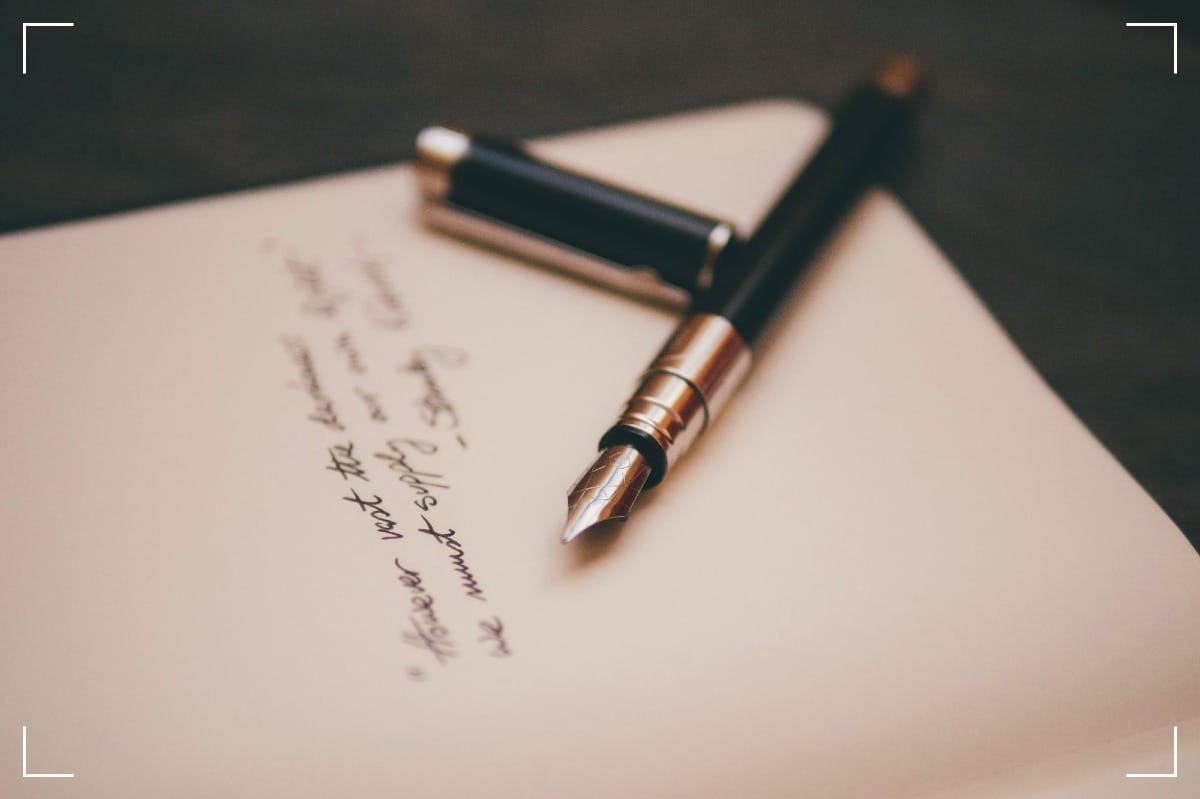
You've probably done it. You buy a new pen, swear it's "the one", then a week later, it's rolling around in a drawer like a spent shell casing. The fix isn't willpower. It's a two-pen rotation with roles so clear you can't mess them up.
Two tools. Two jobs. Everything else stays quiet.
Pick roles that pull you back to the page
A rotation sticks when each pen has a reason to exist. Not a "nice pen" reason. A reach-for-it-without-thinking reason.
You want one pen that captures fast, ugly truth. Notes, calls, timestamps, lens settings, and the hotel's Wi-Fi password. The second pen is for slow work. Long-form writing, captions, edits, letters you don't send.
Here's the trap. If both pens feel the same, your brain won't choose. It'll stall. Then you'll grab the nearest ballpoint and call it a day.
Use this small map to keep the outlines sharp:
| Job on your desk | What the nib should feel like | Ink behavior you want | What it protects you from |
|---|---|---|---|
| Capture pen | Fine to medium, forgiving angle | Fast-drying, low smear | Lost details, smudged margins |
| Draft pen | Medium to broad, smooth | Comfortable flow, decent shading | Hand fatigue, thin scratchy lines |
If you're left-handed, angle becomes the silent saboteur. Some nibs catch on upstrokes and punish you for existing. A nib with an upturned tip can help, for example, the Pilot Custom 912's Waverly shape is known for staying smooth across odd angles because the tines don't dig in as easily. On a tighter budget, a LAMY Safari with a left-handed nib can reduce that gritty feedback for certain grips.
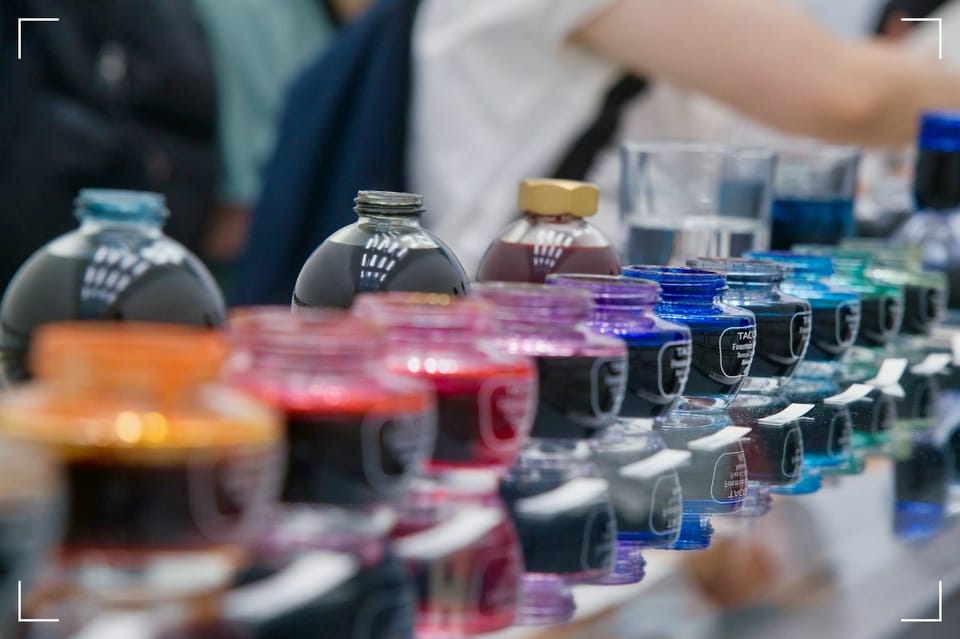
Ink matters more than people admit. For the capture pen, a fast-drying ink can save your notes from becoming a blue crime scene. Pelikan 4001 is often singled out for drying quickly, which helps when you're moving fast and closing notebooks too soon.
Keep your two pens different on purpose. Similar tools make you hesitate, and hesitation kills habits.
One more hard truth. If you use plated nibs, be careful with iron gall inks. Some finishes can corrode faster with that chemistry.
Match fountain pen paper to the kind of mess you make
The paper is your evidence bag. Cheap paper leaks. Fancy paper lies in other ways.
Start simple: choose one main stack of fountain pen paper and stop "testing" every pad you see. Testing feels productive, but it's just shopping around without buying anything.
If you like ink character, Tomoe River Paper is the classic alleyway. It shows sheen and shading like a street lamp shows rain. The thin stuff (Tomoe River 52grm paper) can feel almost too honest, while the thicker version (Tomoe River 68grm paper) gives you a bit more backbone. If you want a deeper look at how Tomoe River behaves, see this Tomoe River Paper review.
If you need sturdier daily pages, Rhodia and Clairefontaine paper are the work boots. So is Oxford paper. They tend to handle most Fountain pens without turning your lines into feathers. There are others, of course: Yamamoto, Life, Kokuyo, Midori, but not available on every street corner.
Now, the notebook systems. This is where you stop pretending you're "just a notebook person."
- Traveller's Notebook and Midori TN shine when you live out of a bag. Inserts swap fast. Covers age like a good leather jacket.
- Midori paper light (the lightweight refill many people use in TN covers) is a popular choice when you want lots of pages without bulk. For a field-tested take, this Midori Traveler's Notebook lightweight paper refill review is useful context.
- Plotter is for structured planning, especially if your week looks like a crime board.
- Rotenfaden is a portable desk. It holds cards, clips, loose sheets, and your bad ideas.
- Ro-Biki is a grit-friendly notebook option, the kind you don't baby.
The trick is to pair paper with purpose. Use your capture pen on forgiving paper that dries fast. Let the draft pen live on paper that rewards slow pressure. You're building a loop you'll repeat, not a museum display.
Lock the habit in with a ritual, plus a digital backstop
A rotation "sticks" when it has a home and a reset. Otherwise, it drifts. Same as files. Same as photos.
Set up a tiny ritual you can do half-asleep:
- Put both pens back in the same place every night.
- Cap them tight, store nibs upward when you can.
- Refill on a schedule, not when they run dry mid-sentence.
That nib-up habit is boring, but it prevents leaks and messy caps. Boring is good. Boring keeps you working.
Now tie it to your real life, especially if you're juggling cameras, invoices, contracts, and half-finished drafts. This is where digital nomads and analog nomads stop playing pretend and build a bridge.
Use your capture pen for field notes while shooting: location, lens, frame count, light, and what you felt. Later, run the holy trinity on your files: ingest, edit, archive. Your notebook becomes the index card that keeps the digital pile honest.
On macOS, a small amount of automation can keep chaos from eating your archive. On Linux, the same applies, just with sharper edges. File naming, folder trees, backups, and metadata are the quiet machinery behind the images. When you want a rough, street-level perspective on keeping systems stable while everything shifts, read macOS isn't dead, it's adapting.
One more pen reality: be careful with shimmer inks in your daily rotation. Some feeds handle them, some clog and waste your time. Keep shimmer for a pen you're willing to clean, not the pen you need at 7 a.m.
Make your rotation portable, too. Two pens. One slim notebook. One pouch. If it can't travel, it won't survive deadlines.
Conclusion: two pens, two truths
A two pen rotation works because it reduces choices and sharpens intent. One pen catches the raw facts. The other shapes the story. Pair them with fountain pen paper you trust, and notebooks that match your life, not your fantasy. And don't get bitten by FOMO: the notebook system you already have is the best one. Don't go on a shopping spree because YouTube showed you something fancy.
Tonight, set the two pens out. Give them jobs. Then let the rest of the collection sit in the dark for a while. If you insist on having all pens work for you, keep the same two pen rotation but change every week. Or two. Whatever feels best for you.