Tomoe River Paper Guide
For Fountain Pens And Long Journals.

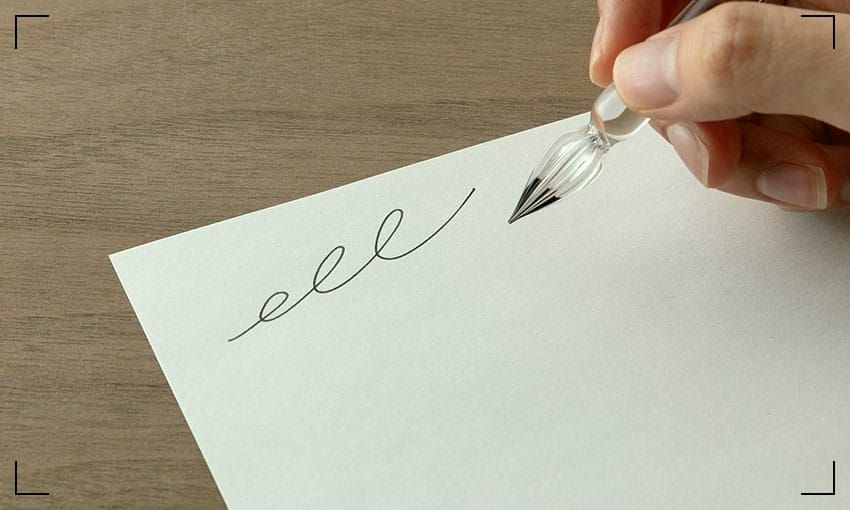
You don't pick Tomoe River paper (52grms or 68grms) just because you like nice paper. You pick it because you like evidence. Ink that tells the truth. Lines that don't spread into a confession you didn't mean to make.
For long journaling, the 52 grms is a strange bargain. The pages are thin, almost reckless, there's a bit of ghosting, yet they can hold a lot of time. The pages are so thin, you can get years in one book. You also get the little costs: dry time, show-through, and the smear you only notice after you close the cover like a case file.
It's not paper that likes to be pushed and stressed. You have to give it time. See it as a win-win: you allow it its own pace, and you get zen in return.
This guide keeps the outlines sharp. What changed, what to buy in 2026, and how to write for months without the paper turning on you.
Why Tomoe River paper works when your journal gets long
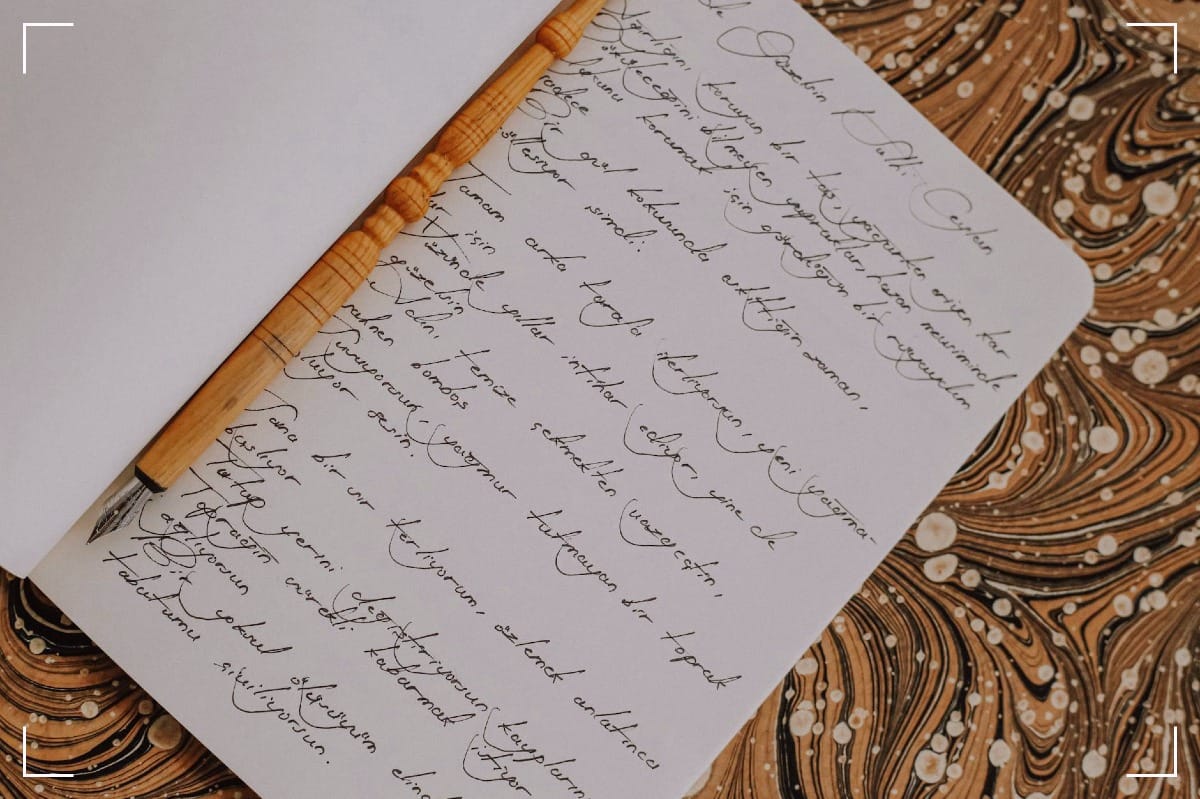
Tomoe River's reputation came from a simple trick: it stays fountain-pen-friendly while staying thin. The coating and sizing help the ink stay on the surface rather than soak in quickly. As a result, shading looks dramatic, sheen shows up when the ink is built for it, and even fine nibs feel crisp.
That thinness is the point for long-form journaling. A 52 gsm notebook can carry an indecent number of pages without becoming a brick. When you live out of a bag, that matters. Space is rent. Weight is guilt.
Still, you should treat the paper like it has moods:
- It can ghost a bit, because thin paper can't hide your past, but it doesn't prevent you from using both sides of the page.
- It can smear, because ink takes longer to dry on less absorbent surfaces; lefties, attention.
- It can make wet inks behave as if they've had two drinks.
And yes, the paper has a history. The original Tomoe River by Tomoegawa went through production changes after older machines were retired. Later, Sanzen took over the "recipe" and the name rights. The modern stuff is good, but it's not a carbon copy of the old legends people hoard in drawers.
If you want to test this in the real world, don't trust product photos. Put nib to page at a show, under bad lighting, with your own hand. Start with this list of fountain pen shows 2026, then go hunt for paper sample tables like you're looking for fingerprints.
Sanzen Tomoe River S vs older Tomoe River
What you'll notice on page one
By February 2026, Tomoe River paper is still easy to find as loose sheets and notebooks, and Hobonichi's 2026 lineup continues with an updated Tomoe River S variant. Availability isn't the problem anymore. Choice is.
Here's what tends to separate the experiences:
- Feel: Sanzen's Tomoe River S often feels a touch more "paper-like." Less glassy. More feedback. Some people love that, especially if you also use a pencil.
- Durability: Many writers report that the newer Sanzen-made sheets feel tougher than the most delicate older stock, which could crinkle and tear if you looked at it wrong.
- Ink look: On some pens and inks, Sanzen can make colors look a bit darker with less dramatic sheen and shading than the old 52 gsm mythos. Not worse, just different.
- Calligraphy edge cases: If your work lives and dies by razor-sharp edges, watch for small amounts of feathering. Some calligraphers notice it faster than journalers do.
One brand's "perfect" is another brand's "why does my ink look muted." So keep your expectations honest.
This quick comparison helps you pick without spiraling.
| Paper type | Best for | Tradeoffs you'll feel |
|---|---|---|
| Tomoe River 52 gsm (classic style) | Maximum page count, big ink effects | More show-through, longer dry times, can feel delicate |
| Tomoe River 68 gsm (heavier) | Everyday writing with less show-through | Thicker notebook, slightly less of the ultra-thin magic |
| Sanzen Tomoe River S (current era) | Journaling plus pencil use, often a sturdier feel | Ink may look less extreme, batch variation happens |
If you use a Hobonichi, you're living in this present tense. For a grounded look at the 2026 paper experience, read a Hobonichi Techo 2026 paper review and compare it to how your inks behave at home.
Want a notebook that shows up ready to work? Depending on your pen, either don't use Tomoe River and go for something safer like Rhodia. Or test it with a dry fine nib. Anything else will make you wait for the ink to dry while the meeting goes on.
For Tomoe River options, try Galen Leather Tomoe River notebooks, then decide if you're a grid person or a blank-page gambler.
If you hate surprises, test your ink & pen first (the wet one, the sheeny one, the one that never dries). Tomoe River doesn't forgive wishful thinking.
Long-journal survival tactics: dry time, ghosting, and keeping pages clean
Tomoe River rewards patience, then punishes those who rush. That's the deal.
First, accept the physics. Less absorbent paper usually means longer dry times. If you write fast and close the book, you're basically pressing wet paint between two thin sheets and hoping nobody screams.
A few habits keep the mess contained.
Blot like you mean it. Keep a blotter sheet or spare scrap inside the cover. After a dense paragraph, lay it down and move on. You don't need fancy gear. You need a barrier.
Choose inks like you choose shoes. Some inks behave everywhere. Others act up on coated paper. When you're writing long entries, a well-behaved ink beats a dramatic one. Save the high-sheen monsters for titles or swatches.
Write with the back page in mind. Show-through isn't a failure; it's the cost of thin paper. If it bothers you, change tactics. Use finer nibs, less saturated inks, or a lighter hand. Or jump to 68 gsm for your daily journaling.
If you run a ring binder or travel setup, inserts can help you control paper choice without committing to a bound book. Print a layout you like, then feed it with whatever Tomoe River sheets you trust. These free Filofax templates make that route less painful.
Finally, keep your research from turning into a junk drawer. Paper changes. Batches vary. Brands switch suppliers when a run goes bad. Wonderland 222, for example, publicly discussed shifting away from 52 gsm Sanzen after prior issues, and tested a different Japanese sheet for 2026 planners (see this Wonderland 222 2026 paper test). Save what matters, get rid of the rest.
Conclusion, summary, key takeaways, links, download(s)
(Reserved for paying members)