Tomoe River Paper Compared
Sanzen vs Original Tomoe River Ink Test
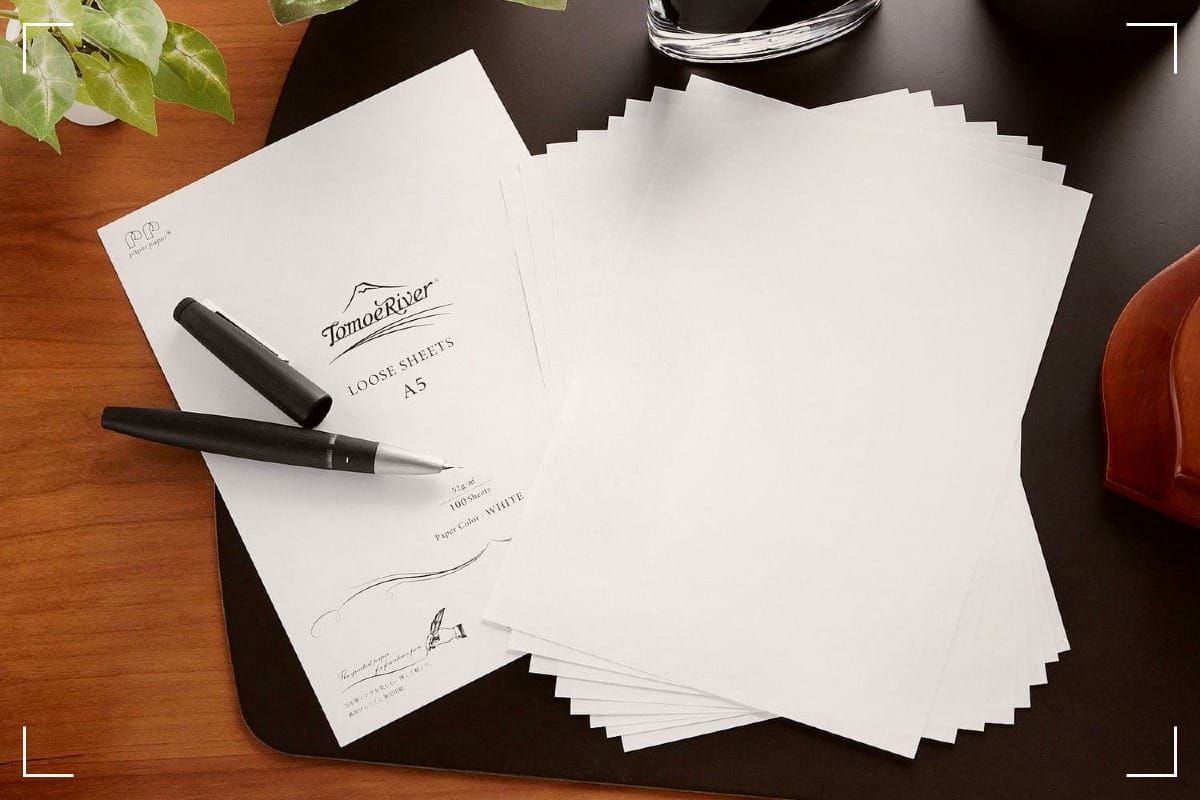
Tomoe River Paper came back, but the old ghost didn't walk back through the door with it. Sanzen kept the name alive, yet the feel on the page changed, and your pen knows it.
If you want an exact clone of the original 52gsm Tomoe River, brace yourself. If you want thin, fountain-pen-friendly paper that behaves better in daily life, Sanzen starts to look less like a compromise and more like a hard truth. By 2026, community reports point to steadier Sanzen production than some earlier rough patches, but side-by-side users still catch clear shifts in feel, sheen, and color.
That's the real test. Not which sheet wins the internet, but which set of flaws you can live with.
What Tomoe River Paper Is, and Why You Care
Tomoe River Paper earned its name the ugly old-fashioned way, by surviving real use. It's ultra-thin Japanese paper that resists feathering far better than it has any right to. Fountain pen users fell for it because it made ink look alive, sheen hit hard, shading stretched out, and even slim notebooks could carry a small archive.
That magic always came with a price. Original Tomoe River felt delicate, almost nervous. Loose sheets wrinkled easily. Show-through was part of the deal. Dry times could drag like a bad confession. Still, people kept coming back because the paper made ink look like it had secrets.
The production story got messy. Machine changes came first. Then Tomoegawa ended production. Later, Sanzen acquired the rights and released a successor version. You can read a useful side-by-side from inkxplorations if you want another pair of eyes on the page. But this piece stays practical. You care less about factory gossip than what your nib, pencil, and daily carry feel like at 23h (11PM) under a desk lamp.
Who This Comparison Is For
If you chase sheen like a moth chases bad neon, this comparison is for you. If you journal on both sides of the page, it's also for you. Same goes for planner users working in Plotter, Filofax, Traveler's Notebook, Rotenfaden, or Ro-Biki, where paper choice can make the whole system sing or sulk.
You might care most about one thing. Ink freaks should watch the appearance section. Tactile writers should pay attention to texture and feedback. If your notebook rides in a bag every day, skip straight to ghosting, durability, and dry time. If you use ring systems, this breakdown of the Plotter notebook capture loop pairs well with paper testing because slim binders punish bad paper fast.
Sanzen vs Original Tomoe River in Real Ink Tests
Put both sheets under the same pen, and the differences show up fast. Original Tomoe River keeps more ink near the surface. That usually means stronger sheen, broader-looking lines, and more dramatic shading. Sanzen sinks ink a bit deeper. As a result, lines look crisper, colors often look darker, and the wild multi-tone shifts calm down.
That sounds sterile, but it matters on the page. Original Tomoe River often makes inks look louder. Sanzen makes them look tighter. Neither is wrong. One is theater. One is control.
Here's the short version:
| Feature | Original Tomoe River | Sanzen |
|---|---|---|
| Sheen | Higher | Lower |
| Shading | More dramatic | More muted |
| Dry time | Slower | Faster |
| Line edges | Softer, more spread | Sharper, cleaner |
The takeaway is simple. Original wins if you want ink performance pushed to the edge. Sanzen wins if you want fewer compromises in normal writing.
If your heart belongs to sheen, the original still throws the better last punch.
Recent user reports through 2026 also suggest Sanzen has become more consistent than some early batches, with fewer bleed and feather surprises in newer production. That doesn't erase the difference. It only means the difference now feels more stable.
Writing Feel, Ghosting, Pencil Use, and Daily Carry
Writing feel is where the split gets personal. Original Tomoe River feels slicker, glassier, almost slippery with some nibs. Sanzen has more teeth. Not rough, not hostile, but present. You feel the page talk back. For many writers, that extra feedback makes Sanzen easier to control. For pencil users, it can be the deciding blow, because the old paper sometimes felt too smooth and smeary with softer graphite.
Ghosting is still part of life on both papers. They're thin. Physics still runs the block. Yet Sanzen usually shows less show-through, and that matters if you write on both sides. It also dries "faster", which makes it easier to live with in planners and travel notebooks. Original Tomoe River still resists bleed well in normal use, but Sanzen can handle daily carry better because it feels stiffer and a bit stronger in the hand.
That tougher feel matters more than paper snobs like to admit. A loose original sheet could feel like a beautiful alibi, elegant, fragile, and not built for the street. Sanzen feels more durable. If you carry your notes in a bag, flip pages fast, or use inserts in ring systems, that extra backbone helps. You can also scan community reactions in the Fountain Pen Network discussion if you want to compare your own preferences against those of other heavy users.
If you want the old spell, hunt the original. If you want a thinner paper that asks less from your patience, Sanzen makes the stronger day-to-day case.
Original Tomoe River still seduces. Sanzen still works. That's the split.
Conclusion, summary, key takeaways, links, download(s)
(Normally reserved for paying members)
Some doors aren’t meant to be opened.
This one is—if you’re willing to bleed a little ink to get inside.
As a subscriber, you get access to the back alley of the writing life, the place where the paper is thick enough to hide secrets and the pens are loaded. It’s not clean. It’s not polite. It’s the kind of place where ideas slip out of the dark and sit beside you, uninvited, asking what you’re really made of.
You don’t just get stories.
You get the stuff that doesn’t walk the streets in daylight.
The case notes. The rituals. The obsessions. The quiet, dangerous truths about why we write at all, why we keep reaching for fountain pens when the world keeps screaming for speed.
Membership buys you a seat in the shadows, where the ink runs deeper, and the stories don’t bother pretending to behave. It’s attractive, the way a locked drawer is. The way a whispered confession is. The way a good pen feels when you know you’re about to write something that might change you.
If you want safe, look elsewhere. If you want real, step inside.
Just don’t expect to leave untouched.
If you care most about ink theater, the original is the one and only. If you care about control, faster dry times, less ghosting, better pencil feel, and a sturdier page, Sanzen is easier to trust. Pick the paper that fits your habits, not the myth you miss.
Summary
Original Tomoe River paper vanished, but Sanzen grabbed the name. It mimics the thin, fountain-pen-friendly sheet at 52gsm. Yet the magic shifted. Pens notice the change in feel, sheen, and color. By 2026, Sanzen steadies production. Still, side-by-side tests reveal clear differences. Choose based on flaws you tolerate, not online hype.
Why Tomoe River Matters
This ultra-thin Japanese paper resists feathering like a champ. Fountain pen fans love it because ink bursts alive. Sheen pops hard. Shading stretches wide. Slim notebooks pack archives. However, originals wrinkle easy, show through, and dry slow. Production halted after machine tweaks. Tomoegawa quit. Sanzen stepped in with a successor.
For sheen chasers, journalers, or planner users (Plotter, Filofax, Traveler's Notebook), this counts. Ink lovers eye appearance. Tactile writers check texture. Bag carriers focus on ghosting and durability.
Verdict up front: Sanzen isn't reborn original. It's its own beast.
Ink Test Breakdown
Pens hit both sheets. Original keeps ink near surface, so sheen surges, lines broaden, shading dramatizes. Sanzen sinks ink deeper. Lines crisp up. Colors darken. Shifts mute.
Original screams theater. Sanzen offers control.
| Feature | Original Tomoe River | Sanzen |
|---|---|---|
| Sheen | Higher | Lower |
| Shading | More dramatic | More muted |
| Dry time | Slower | Faster |
| Line edges | Softer, more spread | Sharper, cleaner |
Original edges out for max ink drama. Sanzen cuts daily hassles like bleed. Newer batches stay consistent.
Feel, Ghosting, and Real Life
Original glides slick, almost slippery. Sanzen bites back with tooth. Writers control it better. Pencils grip without smear. Both ghost because they're thin. Yet Sanzen shows less, dries quicker, stands stiffer.
Original seduces like fragile art. Sanzen endures bags, flips, ring binders. For daily carry, it wins. Hunt originals if you crave the spell. Pick Sanzen for patience. Both work. You decide the split.
Key Takeaways
- Sanzen is not the old 52gsm Tomoe River reborn. It keeps the name, but the page feel and ink display changed in clear ways.
- Original Tomoe River still wins for ink drama. It tends to show stronger sheen, wider-looking lines, and more vivid shading, which is why many fountain pen users still chase it.
- Sanzen makes ink look calmer and cleaner. Colors often read darker, line edges look sharper, and multi-tone effects usually show less flair.
- Sanzen is easier to live with day to day. It usually dries faster, shows a bit less show-through, and feels stronger in the hand, which makes it better suited to planners, inserts, and bag carry.
- The writing feel splits the room. Original Tomoe River feels slick and glassy, while Sanzen has more feedback and a firmer, slightly toothier surface.
- Pencil users may prefer Sanzen. That extra texture gives graphite more grip, while the old paper could feel too smooth and prone to smearing.
- Both papers are thin, so ghosting never fully leaves. Still, Sanzen often keeps it more controlled, especially in everyday writing.
- Recent reports suggest Sanzen has become more consistent by 2026. Early batch worries seem lower now, even though the core differences from the original remain.
- The real choice comes down to trade-offs. Pick original Tomoe River if you want maximum ink character. Pick Sanzen if you want a lighter sheet that behaves better in real life.
Links
Fountain Pen Network discussion