The Street Doesn’t Lie
What Public Spaces Reveal About Real Character ch. 1
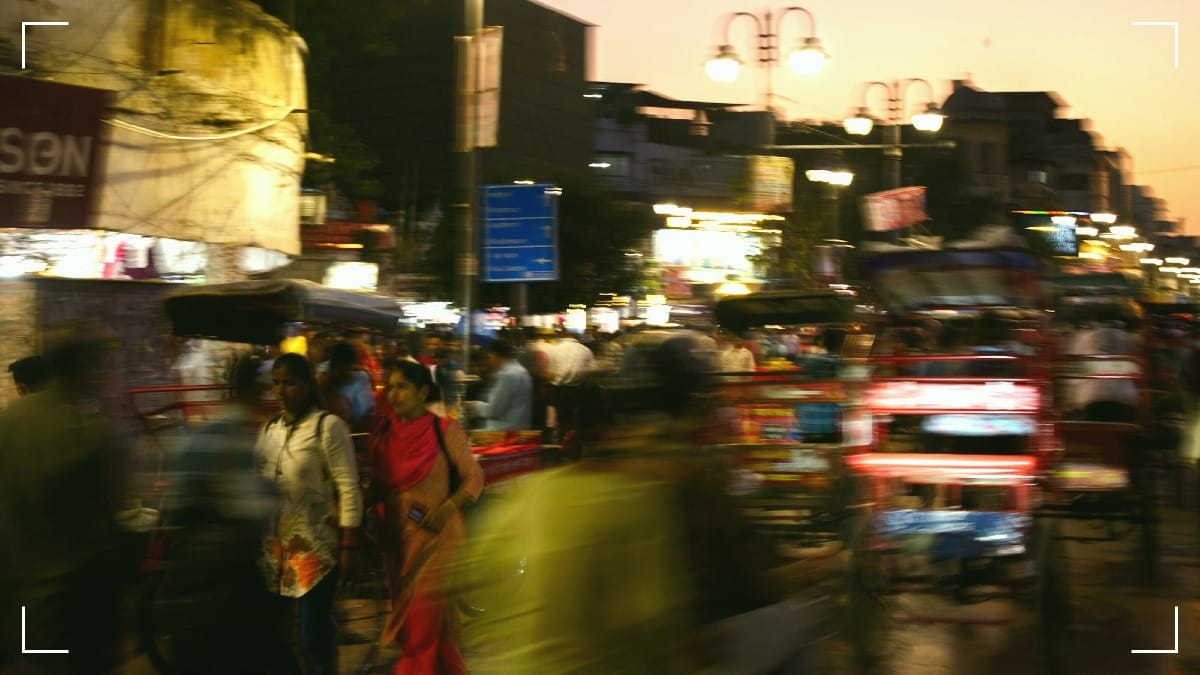
The street teaches everything.
The street doesn’t lie. It doesn’t flatter anyone or pretend to care about feelings. It just shows people what they are when they think no one is watching.
There’s the man who speeds up when he notices someone behind him. The woman who checks her reflection in every window. The kid who kicks a bottle just to hear it rattle.
Patterns. Habits. Tells.
The world is a living case file, and most people walk through it blind. But when a person pays attention, really pays attention, the cracks show. The little shortcuts. The small cruelties. The quiet decency that doesn’t need applause. And once those details come into focus, they don’t blur again.
That’s where the real stories start. Not the ones people tell about themselves, but the ones their feet and hands and voices keep telling on repeat.
What the street reveals about people when no one is grading them
Most people have two faces.
There’s the face they wear when they feel watched, evaluated, scored. It’s the public smile, the manners on loan, the careful voice. Performance. Not fake, not always, just managed.
Then there’s the default setting. The version that comes out when there’s no supervisor, no date night, no camera. That’s where the street does its work. Public space is public, but it still gives cover. People assume strangers won’t call them out. They assume the moment will pass, and nobody will remember.
So the crosswalk becomes a test. Not a big one, but an honest one. Does someone stop when a person steps off the curb, or does the driver roll forward like the world is a personal driveway?
Lines do the same. A coffee shop queue, a pharmacy, a concert gate. Some people treat the line like a shared agreement. Others treat it like a puzzle to cheat. Shoulders slide in. Eyes look away. They act confused, like confusion is a hall pass.
Then there’s the small stuff that doesn’t pay. Tipping the barista when nobody’s looking. Picking up a napkin that isn’t theirs. Turning down a speakerphone because other ears didn’t consent. Putting trash where it belongs, even when it’s a long walk to the can.
Service workers see people in their raw form. Not the interview version. Not the holiday-card version. A person who says “thanks” as if it costs something is leaving evidence. A person who snaps at a cashier over a store policy is also leaving evidence.
None of these moments is a final verdict. The street shows signals, not souls. A bad day can make a good person sharp. A good day can make a selfish person look kind. Still, patterns build. The street keeps receipts.
For a darker mirror of this kind of observation, there’s an Atmospheric bar scene in "The Last Note" where the room itself feels like testimony, and everyone inside is trying to hide from it.
Small choices that show character fast
The street moves fast, so the tells have to be quick. These small choices might mean nothing on their own, but they can suggest a lot when they repeat.
- Crosswalk manners: A driver who stops early and waves someone through could suggest patience and respect for shared space.
- Line behavior: A person who cuts, then acts innocent, might mean entitlement, or practice at getting away with small harms.
- Trash and litter: Dropping a wrapper “because it’s just one” could suggest a habit of making messes someone else will clean.
- Volume in public: Blasting a phone call on speaker might mean low impulse control, or a need to dominate a room without earning it.
- How they treat workers: A steady “please” and “thank you” could suggest empathy that isn’t reserved for peers.
- How they handle mistakes: Saying “my bad” without drama might mean accountability, which is rare and worth noticing.
The point isn’t to label. It’s to observe the direction of the drift.
Why stress, crowds, and anonymity bring the truth out
Pressure squeezes the mask.
Crowds do it first. When bodies pack tight, patience gets taxed. People feel like they’re losing space, time, air. Then the last seat becomes a prize. The last parking spot becomes a fight. Scarcity turns manners into a thin coat in the rain.
Anonymity helps too. A person who would never yell at a neighbor might yell at a stranger, because strangers don’t have a future in their life. No consequences, no repeat. That belief is a permission slip.
Groups add gasoline. Friends egg someone on. Laughter rewards the loudest move. Someone shoves past, and the group turns it into a joke so nobody has to call it what it was.
The street doesn’t make people worse. It just turns down the lights and lets them show themselves.
How to read the street
There’s a danger in watching too closely.
A person can become a private judge, handing out life sentences for one ugly moment. That’s not wisdom. That’s just bitterness dressed like insight.
A fair approach needs a method. Simple. Repeatable. The kind of thing a tired brain can still do when it’s late and the sidewalk’s loud.
Notice means seeing what actually happened, not what it reminded someone of. Not the tone in their own head. Just the behavior. The facts on the table.
Pause means resisting the urge to label it fast. The mind loves speed. Speed feels like safety. It isn’t.
Check means looking for context. Was the person carrying too much? Were they lost? Did someone else start it? Is there a reason their fuse was short?
Decide comes last. Not a moral verdict, just a practical one. Is this someone to trust? Is this a person to keep distance from? Is this just noise that doesn’t deserve more attention?
This is how the street can teach without poisoning the learner. The goal isn’t to hate humanity. The goal is to see humanity clearly, then move through it with steady feet.
One moment doesn’t define a person. But repeated moments, especially under friction, can sketch a reliable outline.
A quick checklist
Context, patterns, and what is missing
When something on the street feels off, a short checklist keeps the brain honest.
- What happened, in plain words? No mind reading, just the action.
- What might have caused it? Hunger, stress, confusion, fear, pain.
- Is it repeated behavior? One slip is human, a pattern is a choice.
- How do others react? Do people tense up, step back, go quiet?
- What’s the kind explanation? The best-case story that still fits the facts.
- What’s the risky explanation? The version that signals danger or disrespect.
- What’s missing? An apology, eye contact, any sign of restraint, any care for impact.
This doesn’t make a person soft. It makes them accurate.
Common observation traps that make people wrong
Street reading goes bad when the watcher stops checking themselves.
- Snap judgments: The first story feels true because it arrived first. Counter it by naming two other possible stories.
- Confirmation bias: Once someone decides “that guy’s trouble,” every move becomes proof. Counter it by looking for disconfirming details.
- Stereotyping: Clothing, age, or accent becomes a shortcut to a verdict. Counter it by focusing on behavior only.
- Mood coloring: A bad day paints every stranger as hostile. Counter it by asking what mood is doing to the interpretation.
- Watching only the loudest person: Noise steals attention from quiet threats and quiet kindness. Counter it by scanning the whole scene.
Good observation has teeth, but it also has brakes.
Using the street’s honesty to choose better friends, avoid trouble, and live calmer
Street lessons are only useful when they change choices.
In friendships, the street helps separate charm from character. Someone can talk smooth in a living room and still treat a waiter like furniture. Someone can post the right opinions and still cut in line when nobody’s looking. The street is where values stop being words and start being habits.
In dating, the street can save months. Watch how a person handles small delays. A late table. A crowded train. A wrong order. If their mood turns into a weapon, it won’t stay small forever.
In work and creative projects, the street reveals who respects shared rules. The person who “forgets” to pay their part of a bill might also “forget” deadlines. The person who takes responsibility in a minor mix-up is often solid when the stakes rise.
Even with neighbors, the street helps. The one who blasts music at midnight and laughs about it is telling a story about boundaries. The one who moves their car so a delivery truck can pass is also telling a story.
This isn’t about paranoia. It’s about protecting peace. And it’s about compassion too. The street catches people on their worst days. A wise observer leaves room for that, while still keeping a clear line between a bad day and a bad pattern.
Red flags and green flags that matter more than charm
Charm is cheap. Friction is expensive. The street shows how someone pays.
Red flags that often show up under pressure:
- Cruel jokes that punch down, then hide behind “just kidding.”
- Bullying the weak, the quiet, the worker, the person who can’t fight back.
- Casual dishonesty, small lies told for convenience, told with a shrug.
- Reckless anger, the kind that looks for a target and doesn’t care who it hits.
Green flags that hold up in real life:
- Quiet courtesy, offered without a stage.
- Accountability, a clean apology without excuses.
- Helping without an audience, especially when it costs time.
- A steady tone, even when the situation is annoying.
These are not guarantees. They’re indicators. The street deals in indicators.
How to protect peace in public spaces without escalating
Sometimes the street isn’t a teacher, it’s a warning sign. Peace needs tactics.
- Keep distance. Space is a safety tool, not a social insult.
- Don’t match energy. Heat feeds heat, and strangers don’t owe each other a duel.
- Leave early when the air shifts. Exits are for smart people, not scared people.
- Use a calm voice if speech is needed at all. Volume is often bait.
- Disengage fast. A person looking for conflict will take any response as permission.
- Trust the gut, then check facts. Instinct can be sharp, and it can also be biased. Both truths matter.
A calm life isn’t a life without trouble. It’s a life that refuses to rent trouble extra space.
Conclusion
The street doesn’t flatter anyone. It doesn’t hand out gold stars. It shows behavior in the open, where pressure and anonymity scrape the polish off and leave the grain.
When a person watches with care, patterns appear. Not to condemn strangers, but to make smarter choices about trust, boundaries, and safety. The sharp eye and the basic grace can live in the same body. They should.
On the next walk, let the phone stay in the pocket for a minute. Let the scene speak. Notice one small detail that usually gets missed, a gesture, a tone, a choice. That’s the lesson hiding in plain sight.
The street doesn’t lie, and in its blunt way, it can teach truth without asking for permission.