The Best Fountain Pens For Small Handwriting?
2026 version
Small handwriting exposes everything: a nib that's too wet, a grip that fights you, paper that feathers like a cheap suit. In 2026, the good news is simple. You can build a setup that keeps your lines thin, your notes readable, and your hand relaxed, even when you're writing in a bus seat at midnight.
This is about fountain pens for small handwriting users can live with. Not museum pieces. Tools that survive real days, real bags, and real challenges.
What makes a fountain pen work for tiny handwriting
Tiny script needs a pen that doesn't sprawl. That starts with the nib, but it doesn't end there.
Nib width is your first filter. If you write small, you usually want an extra-fine, a fine or a Japanese medium that behaves like a Western fine. Japanese makers (Pilot, Platinum, Sailor) tend to run finer, which helps when your letters live close together.
Nib shape matters too. An upturned tip, like Pilot's Waverly-style nibs, can feel smooth at odd angles and keep the tines from catching on upstrokes. That's a quiet win if you rotate the pen, write fast, or you're left-handed and tired of fighting the page.
Flow is the second filter. A pen that gushes turns tight loops into dark puddles. A slightly drier writer keeps counters open in letters like "a" and "e". This video from Stephen Brown might help you if you have a wet writer.
The video from Stephen Brown might help you if you have a wet writer. ©sbrebrown
Cap seal is the third filter. If you take notes in bursts, a good seal saves you from hard starts. That matters for field notes, meeting notes, and those one-line reminders you scribble like a confession.
A few practical tips you can use in a shop, fast:
- Extra-fine or fine nib: thinner lines, tighter letterforms.
- Controlled ink flow: less spread, less smear.
- Comfortable section: you'll grip harder when you write small, so slick grips punish you.
- Reliable cap: fewer dry-outs between notes.
If your "tiny" writing looks fat, blame the ink and paper before you blame yourself. Most people don't write bigger, their tools just bleed wider.
One more street fact: ink choice can save your margins. Fast-drying inks exist for a reason. Pair that with a fine nib, and you stop dragging your palm through fresh evidence.
Best fountain pens for small handwriting in 2026
Picks that earn their keep
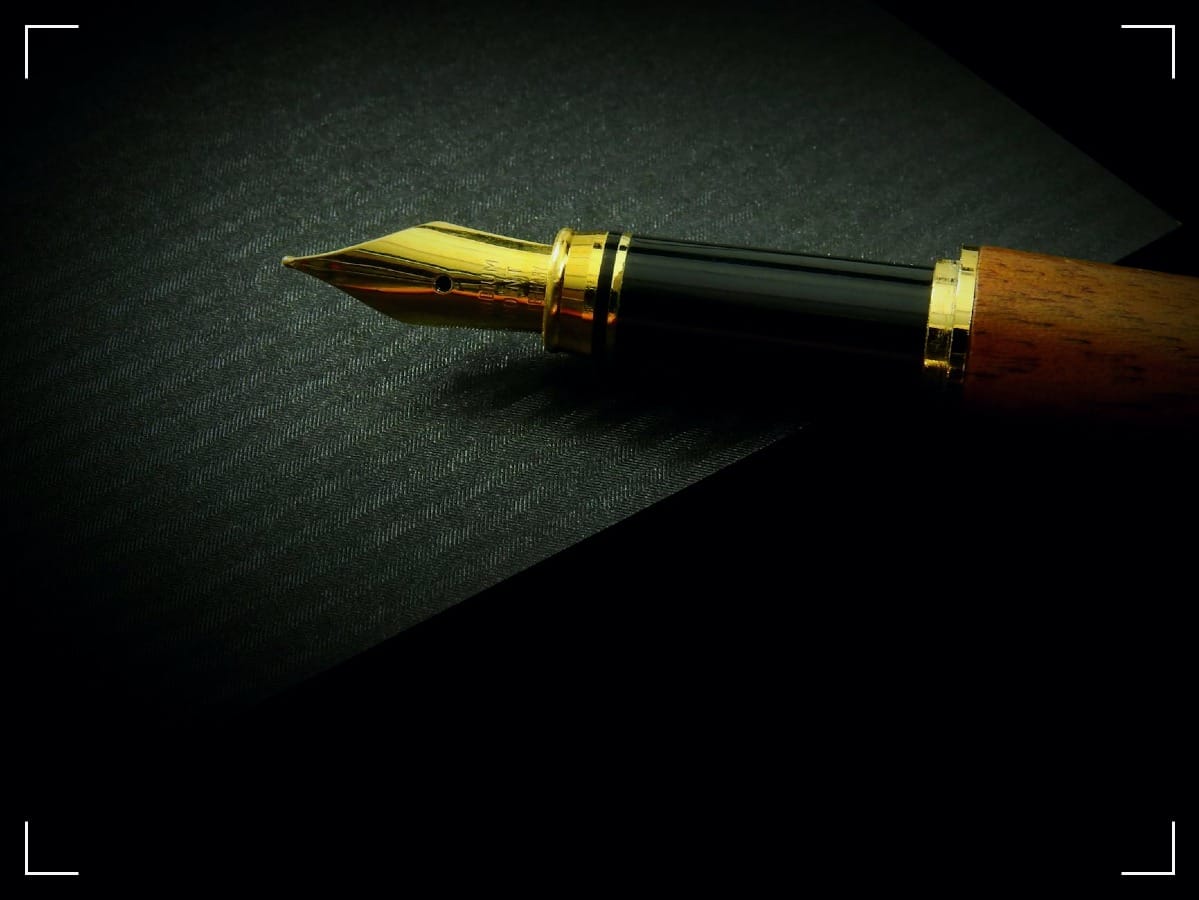
You don't need a dozen pens. You need one that hits the page clean, every time, and doesn't make your tiny handwriting look like it gained weight overnight.
Here's a tight comparison to keep:
| Pen (2026-relevant picks) | Why it suits small handwriting | Watch out for |
|---|---|---|
| Pilot Custom 912 (Waverly option) | Smooth at varied angles, controlled feel, great for tiny cursive | Price, and you'll want decent paper to see its best |
| Platinum 3776 Century (EF or UEF) | Needle-leaning line, crisp detail, strong cap seal for stop-start notes | Feedback can feel "pencil-like," not glassy |
| Sailor Pro Gear Slim (EF) | Very fine line with intentional feedback, great for compact print | Ink can feel dry if you pick a dry ink too |
| Pilot Decimo (EF/F) | Click deploy for fast notes, fine Japanese nibs, strong daily carry vibe | Clip position can annoy your grip |
| Lamy Safari (EF) | Tough, easy nib swaps, dependable daily beater | EF runs broader than Japanese EF, grip forces a hold style |
Now the messy, real-world part.
If you want a clean "do-it-all" writer, the Pilot Custom 912 with a Waverly-style nib is hard to argue with. It's the kind of nib that doesn't punish imperfect angles. You can write small, fast, and slightly sideways, and it still plays nice.
If your handwriting is microscopic, go Platinum 3776 EF or UEF. That's the move when you're annotating drafts, or squeezing three days of travel notes into a slim page.
If you like a little tooth, Sailor's EF options reward a light hand. You'll feel the paper, which sounds romantic until you're on bad stock. On good stock, it's precision.
Budget matters because life is expensive. For a modern, cheap pen that still behaves, you can look at the Pilot Explorer and see how it holds up in a recent review like this Pilot Explorer fountain pen review. Keep the nib fine, keep the ink sane, and it'll do the job.
For pocket carry, the quiet chaos option is the Jinhao 82 Mini. It's small, cheap, and more capable than it has any right to be. If you want the details before you toss one into a pouch, read this Jinhao 82 Mini pocket pen review.
And if you want a compact Italian pen that still looks like it belongs in a dim bar booth, the Montegrappa Armonia Mini exists, and it's sized for tight carry and tight writing.
Paper, notebooks, and nomad systems that keep your lines sharp
A fine nib on bad stock is a clean knife in a dirty kitchen. It still gets contaminated.
If you care about small handwriting, you're also choosing fountain pen paper. That means you think about spread, dry time, and whether the backside stays usable.
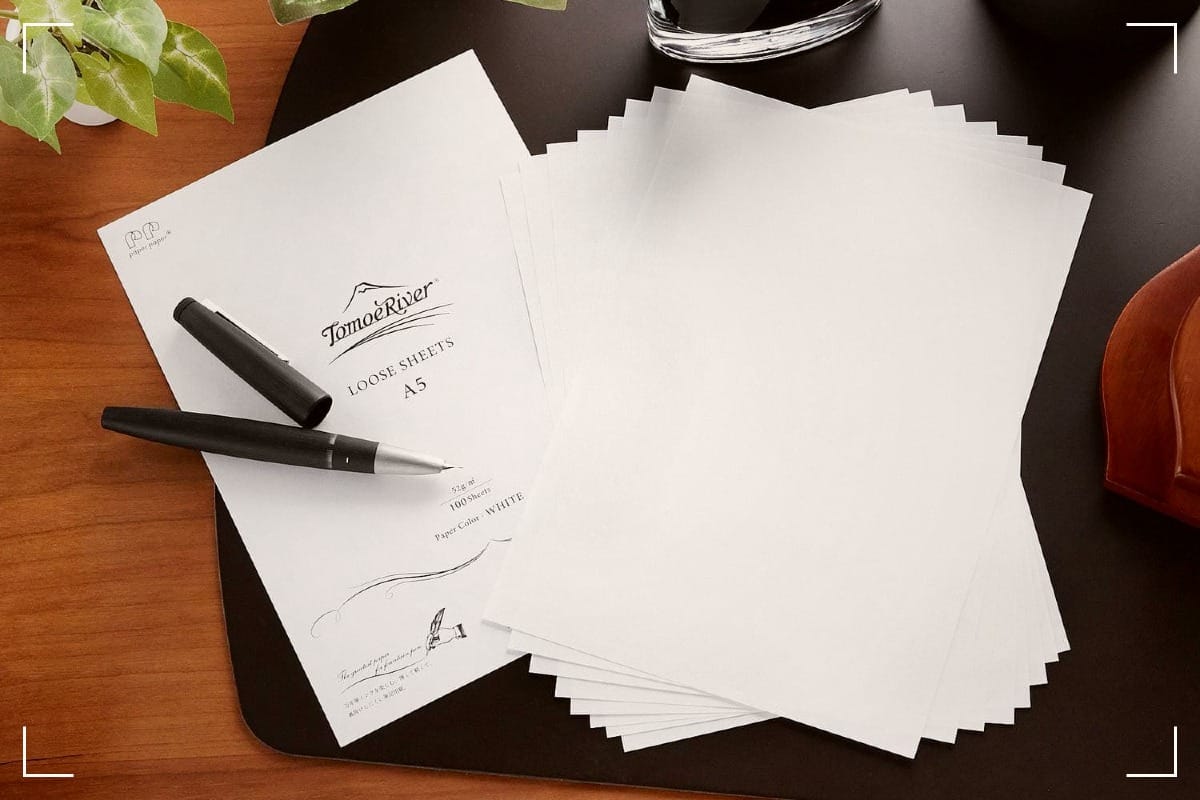
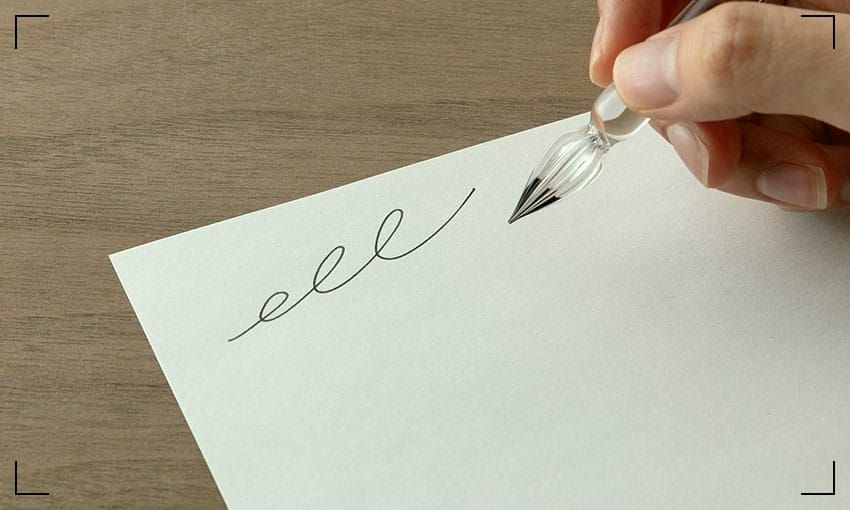
- Tomoe River Paper is the thin, dramatic stuff. It shows shading and sheen, and it also makes you wait. If you're picky, note the difference between Tomoe River 52grm paper (thinner, more show-through) and Tomoe River 68grm paper (a bit sturdier, still slick).
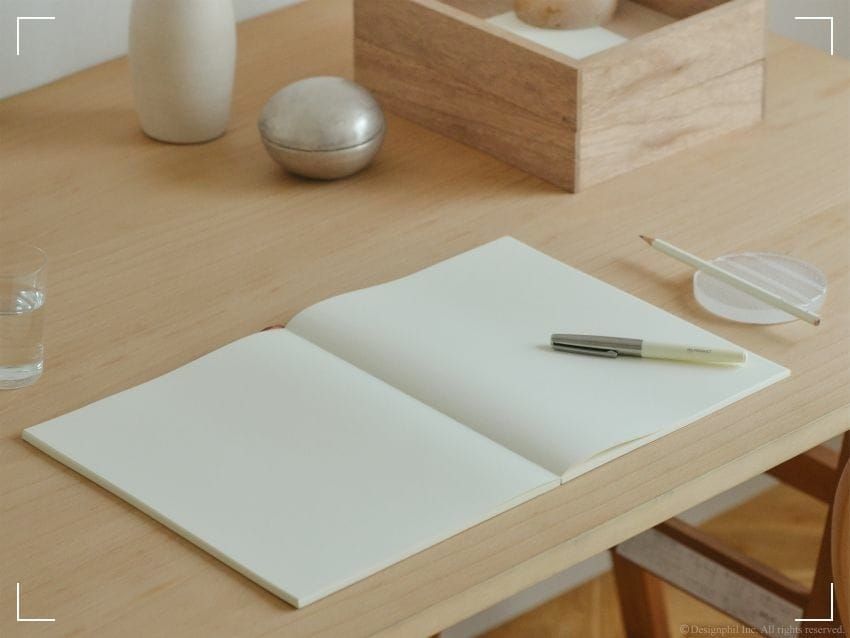
- Midori MD light works when you want portable, slightly more absorbent pages that don't turn every ink into a science project.
- Rhodia paper and Clairefontaine paper are the smooth, controlled standards. They're not mysterious. That's the point.
- Yamamoto paper is how you test without committing. Sample packs let you run ink and nib trials like contact sheets.
Now the containers. The systems you actually carry.
If you live out of a bag, you're either or both a digital nomad with a laptop, or/and an analog nomad with a pen roll and a stubborn streak. Either way, your notebooks need to do the job.
A few setups that stay slim:
- Midori TN: great for linear field notes, travel logs, and daily captions. You move forward, one page at a time.
- Plotter: best when you treat paper like an inbox, then archive the keepers. If you want the logic laid bare, start with this internal breakdown of the Plotter notebook for fountain pens.
- Rotenfaden: the modular cover approach, multiple inserts, less shuffling, more carrying.
- Ro-Biki: rugged, bound, and honest. Perfect when you want a single thread from day one to day done.
This is where your photo workflow sneaks in. Ingest, edit, archive. Shoot your images, then tag them. Write your field notes, then scan the pages you'll need later. On macOS and Linux, automation keeps you from drowning. A folder watcher can rename scans, add dates, and push backups while you sleep. Paper doesn't replace your archive; it feeds it.
If you want to test pens and paper like evidence, not vibes, try them in person. Pen shows are built for that, and your calendar is already waiting at 2026 fountain pen shows.
Conclusion, summary, key takeaways, links, download(s)
(Reserved for paying members)