Opus 88 Omar Brown Review With an Extra-Wet, Bold Nib
Tuned by Fountain Pen Nibs in Málaga, Spain.
You're in that back room again. The one that's somewhere and nowhere at the same time. The one with the stale air and the soft hum of a tired fan. Your memory cards are all over your office table. Your screen full of fingerprints. You knew it was going to look like a crimescene but you still bought a laptop with a touchscreen. Your desk that never looks clean, only rearranged, was
That's where a pen like the Opus 88 Omar makes sense. Not as a cute carry. Not as a pocket trophy. As a tool, you keep near your journal when the work gets real.
This review is about an Opus 88 Omar fitted with an extra-wet, bold JoWo #6 nib, tuned by Fountain Pen Nibs in Málaga, Spain. You're here because you want answers that hold up in daylight. Is the pen too big? Is a firehose, bold nib usable every day? Does the shut-off valve prevent leaking? And is a custom-tuned nib worth it?
Let me give you a headstart: "No, Yes, Yes, Hell Yes." In that order.
What the Opus 88 Omar gets right before you even ink it
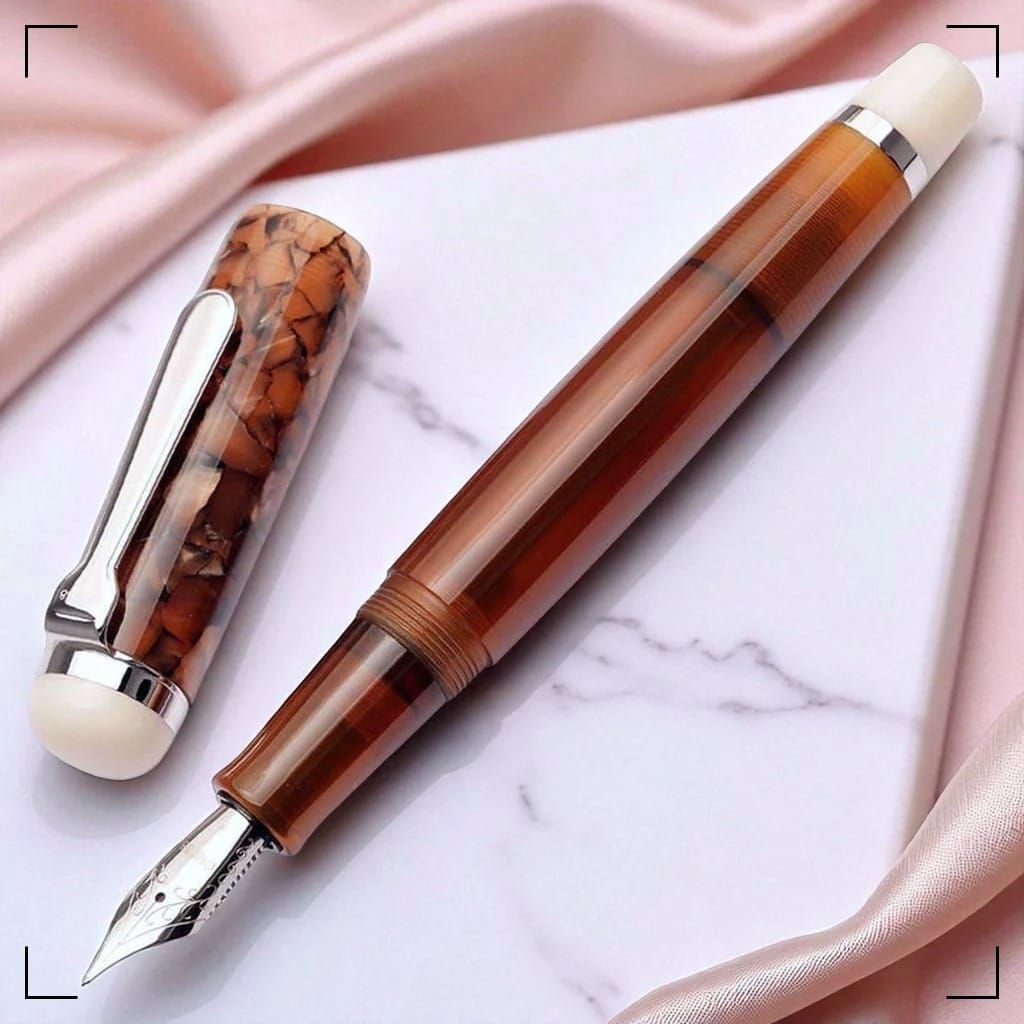
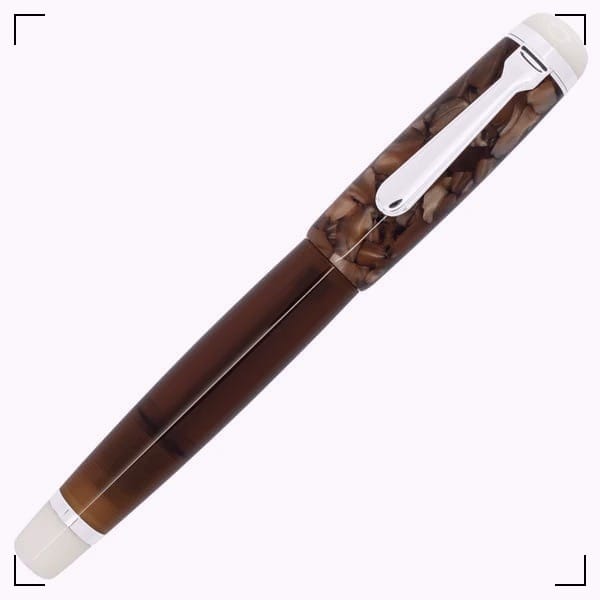
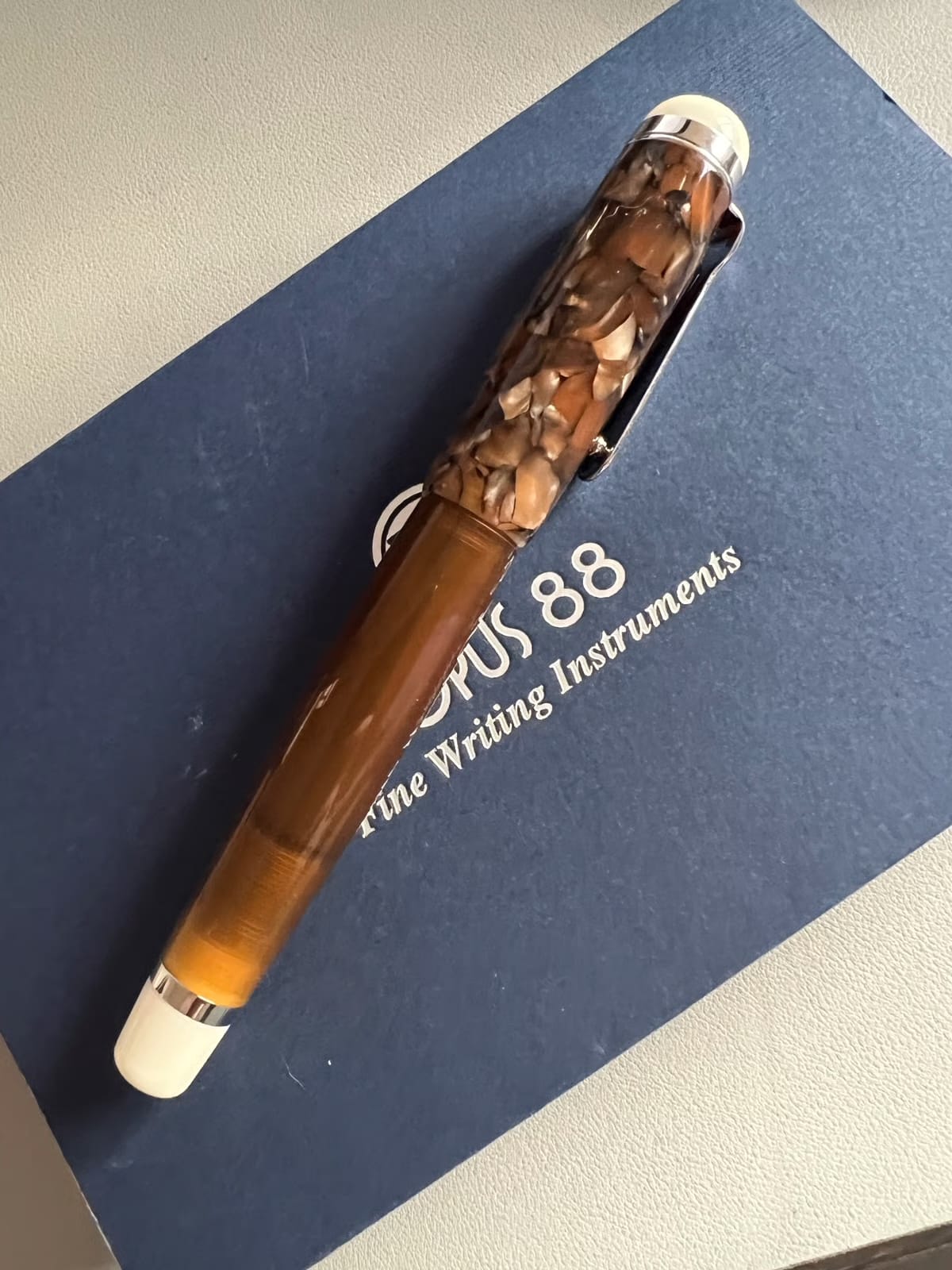
The Omar shows up like a tank with a nib attached. Oversized body from brown resin, and that steady, practical look of gear built to be handled, not admired from behind glass.
In the hand, it reads big right away. Size when closed is 150 mm, uncapped 140 mm, capped it's 180 mm. The weight is 33,8 grams, weight of the cap is 16,3 grams, the barel 17,5 grams. The grip is thick, around 10.8 to 10.9 mm, where your fingers settle, then it swells slightly as it meets the barrel.
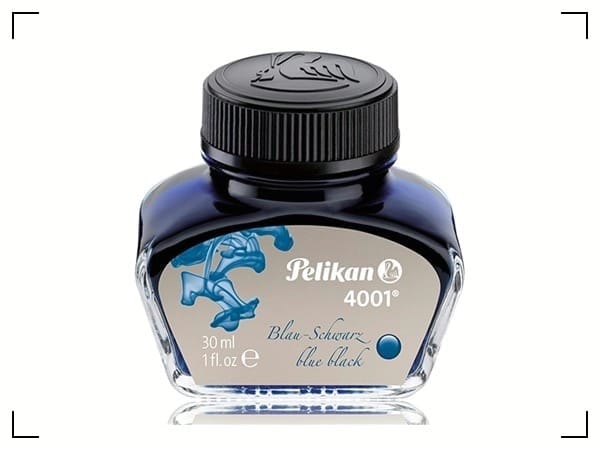
The pen holds 3.6 mL of ink. If your nib is a firehose and you drive it far, you'll be filling it up a lot. Make sure you carry a bottle of ink if you travel. I repurpose the Pelikan 4001 bottle for that.
It's not subtle. It's a desk pen that happens to travel.
The cap screws on with calm confidence and takes its time; it keeps on going. No snap-cap drama, no half-latched fear. Six big turns before it says stop. The clip is there, but it's mostly for pockets with room to breathe. Think jacket, not jeans. Also, this pen doesn't really post, so your writing setup stays long and steady rather than backweighted.
Then you get to the point: it's an eyedropper with a shut-off valve. You fill the barrel directly (usually with the included pipette). You're staring at the ink as if it's a gauge on a machine. It's more than a look. It's control. You know when you're running low, and you know when you've overfilled because your hands are full of ink to tell the story. You'll know what a spill means.
If you want a second opinion on the core design and everyday handling, the Omar has been covered well in mainstream pen circles, for example, in The Well-Appointed Desk's Omar review. Your setup gets more extreme with an extra-wet bold, but the body and mechanism stay the same.
The shut-off valve, how it changes writing, travel, and cleanup
The shut-off valve is the quiet bouncer at the door. When it's closed, the ink remains in the barrel. When it's open, ink flows to the feed like any other pen, but with slightly more control.
Your habit becomes simple: Close it for carrying. Open it a little to write.
That one twist matters when you move between cold streets and warm rooms. Air expands. Pressure shifts. Eyedropper pens can burp ink if you treat them like they're sealed forever. The valve helps by limiting how much ink is ready to surge.
Still, an extra-wet bold nib changes the stakes. You're pushing more ink through the system, so you want fewer surprises. When you've just filled the pen, you may need a moment to get the feed started. Some writers "prime" it by opening the valve, holding the nib down, and letting it sit for a little while. Others touch the nib to a paper towel until the flow stabilizes. It's not a flaw, it's physics.
Cleaning stays sane because Omar comes apart the way a work tool should. You unscrew the section, flush, and keep moving. No hidden sacs. No fragile parts begging for special treatment.
The extra-wet, bold nib from Fountain Pen Nibs
Where the magic and the risk live
The Omar's best trick is that it takes a standard JoWo #6 screw-in nib unit. That means you can swap nibs without a workshop. It also means nib tuning is a real upgrade, not a permanent marriage.
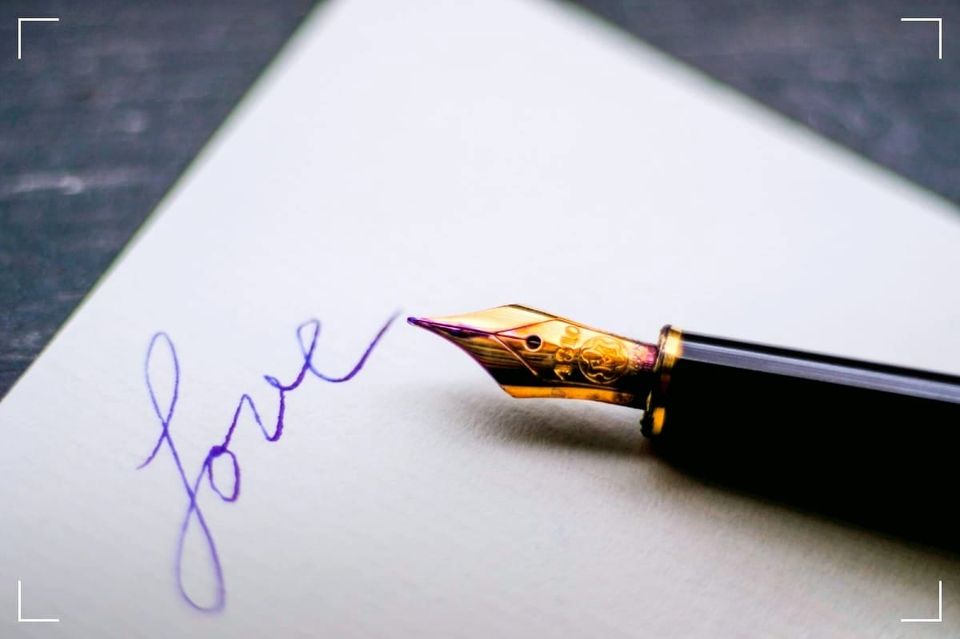
An "extra-wet bold" sounds like a brag until you live with it. In plain terms, it means two things:
- A bold nib is laying down a wider line.
- Extra-wet means it's a fire-hose.
On good paper, that can feel like skating on fresh ice. The nib glides, the line looks confident, and the ink color gets deep and honest. Shading becomes obvious. Sheen can show up when the ink and paper agree. Your handwriting looks like it knows what it's doing, even when you don't.
On cheap paper, the same nib can turn into a mess. Feathering gets louder. Bleed-through shows up faster. Dry time stretches out, and left-handed writers feel the smear waiting like a parked car with the engine running.
That's why tuning is both promise and risk. When Fountain Pen Nibs makes a nib "extra wet," you're paying for controlled flow, not random flooding. You want the pen to start clean, write consistently, and stay wet without turning your notes into a crime scene.
For context on how the Omar behaves with stock nibs and why people call it an "ink tank," you can cross-check a long-term perspective like The Pen Addict's Opus 88 Omar review. Your tuned nib isn't stock, but the body, capacity, and general temperament still matter.
How you test a wet bold fairly, without getting fooled by the ink
A wet nib can make almost any ink look better. That's the trap. If you want truth, you need a repeatable test that doesn't flatter the gear.
Here's a tight plan that mirrors real use, not lab fantasy:
- Pick two inks: one well-behaved daily ink, one high-saturation or sheen-prone ink.
- Use two paper tiers: fountain-pen-friendly notebook paper, plus basic office copy paper.
- Run four writing scenarios: quick notes, a full paragraph, fast signatures, then a 30 to 60-second pause test (cap off, nib exposed, then write again).
- Add one "field note" page: standing up, awkward angle, writing like you're labeling a contact sheet before the light changes.
This matters because your life isn't one kind of writing. It's captions under pressure. Metadata scribbles. Meeting notes with bad coffee. Journal pages late at night. A wet bold nib should handle all of it, or at least fail in ways you can predict.
Also, watch what happens when you lay down heavy ink, like filling in shapes or dark blocks. Many papers that handle normal writing fine will bleed when you "color" with a fountain pen. That's not a mystery. It's just too much liquid in one place.
Real-world writing
What happens on the page and in your hand
When you finally write with this setup, you feel it right away. The line is thick. The color gets denser. Your loops and downstrokes look more certain. It's the fountain pen version of pushing contrast in the darkroom, not to lie, but to reveal.
The extra-wet bold makes shading easier to see because it lays down enough ink to show variation. You get that "ink breathing" effect on quality paper, where strokes darken at the edges and lighten in the turns. Sheen can show up too, but only if the paper doesn't drink the ink too fast.
Fast-drying paper changes the result. It can still show shading, yet it often mutes sheen because the ink sinks in before it pools. That lines up with what many paper testers report: quick dry times reduce the glossy theatrics, even when the writing feels good.
On copy paper, the Omar will tell on you. A wet bold magnifies every weakness. Fibers lift. Lines spread. Some inks stay composed, but many don't. You'll see why experienced ink reviewers often keep "nice paper" for their favorite inks, because office stock just can't carry the load.
The upside is endurance. With an ink capacity of around 3.6 ml, this can be a week-long pen, sometimes longer. You stop thinking about refills. That matters when you write a lot, and you're burning through pages like contact sheets after a long shoot.
To give you an idea, with this nib I almost don't have any ink left in the barrel after a mere two days and 25 pages of paper. With a conservative or standard nib, you'll get more pages out of it before it's empty.
If you want to compare how different owners live with the Omar across a full week, the community perspective can help, especially threads like this Opus 88 Omar week-long use post. You're not looking for consensus, you're looking for patterns.
Paper and ink pairing so the Omar does not betray you
With this nib, paper choice comes first. Not because you're precious, but because wet bold nibs punish bad paper.
If you want the cleanest result, use fountain-pen-friendly notebooks. You'll get less feathering, cleaner edges, and fewer surprise bleed-through moments. If you're a photographer who writes in the field, pick something that won't turn into tissue when ink hits humidity.
Ink choice is your second line of defense. Some inks dry fast and behave on cheaper work paper, even if the color feels less dramatic. Others look gorgeous on premium sheets but spread on office stock. A brown or soft-toned ink can feel controlled on quality paper, then fall apart when the fibers get thirsty. Meanwhile, a fast-drying black can look less "deep," yet still stay sharp when you're stuck with copy paper at a client site.
Keep one dependable ink in rotation for ugly-paper days. Save the flashy bottle for nights when you're in control of the desk.
Ergonomics for long sessions: Big pen comfort vs "too much pen"
The Omar's size is either mercy or punishment.
If you've got bigger hands, or you grip lightly, the thick section can feel like relief. Long journaling sessions get easier because you're not pinching a skinny pen like a cigarette. The pen rests in the web of your hand and stays stable.
If you've got smaller hands, or you tend to choke up and press hard, this pen can feel like too much material. The girth asks you to relax, and not everyone can. Also, since posting isn't part of the design, you can't tune the balance that way.
Treat it like a desk pen, and it rewards you. Try to make it your pocket companion, and it resists. That's not stubbornness. It's honesty.
A quick reality check from Stephen Brown's Opus 88 Omar review
Before you trust any single voice, you cross-check. You want a second set of eyes.
Stephen B.R.E. Brown; has covered Opus 88 pens, and his Omar thoughts are still useful as a sanity test. In his video, he demonstrates the shut-off knob in practice, explains how it affects flow, and highlights how straightforward cleaning is when you unscrew the section and flush properly. You can watch that perspective in Stephen Brown's Personal Pens Omar video.
What matters for your extra-wet bold setup is the core idea: when you use the valve correctly, you can run a bold, juicy line without constant burping. The valve is not a decoration. It's control.
He also flags the main downside you already feel: the pen is large. That doesn't get better with time; you just decide if it fits your work. If your use case is long writing, desk sessions, and deep ink capacity, size is part of the appeal. If you want quick pocket notes while walking, it becomes a source of friction.
Real-world test
Since the Opus 88 Omar showed up two days ago, I've put about 25 pages into my journal. The first hit felt familiar, like finding an old negative I'd forgotten I'd shot, then realizing it's the frame that explains everything.
It's a big fountain pen. Not graceful, not slim, more like Schwarzenegger in a leather jacket, all shoulders and blunt intent. Still, it writes clean.
Because of the size, it sits steady in my grip, so my lines loosen up. As a result, my hand stays calmer, and the fatigue I get from smaller pens backs off. Long sessions are where the Omar earns its keep, partly from the stable body, and partly because the ink capacity keeps me moving instead of stopping to refill.
Conclusion
Key Take Away & Links for memebers only.
The Opus 88 Omar with an extra-wet, bold nib is a pen you choose when you want saturation, glide, and stamina. It shines for long sessions, letters, journaling, and desk work that needs a steady hand.
It's a bad match if you live on cheap paper, if you smear easily, if your hands are small, or if you need a true pocket carry. Wet bold nibs have a cost, and the bill comes due in dry time and paper demands.
If you buy this setup, keep it simple:
- Learn the valve habit (closed to carry, open to write).
- Pick paper first, then choose an ink that behaves well on it.
- Expect longer drying times, and plan your workflow around that.
You want tools that don't lie. This one doesn't. It just asks you to work the way it was built to work: slow, controlled, and deliberate.
Key take away
Opus 88 Omar Brown is a large eyedropper pen (about 3.6 ml) built for long sessions. The shut-off valve keeps ink from burping in transit and on flights, close it to carry, crack it open to write. An extra-wet bold feels great on fountain pen paper, but it feathers and smears on cheap copy paper.