Notebook systems compared
Which notebook system fits your brain: TN, Ro‑Biki, Roterfaden, or Lochby?
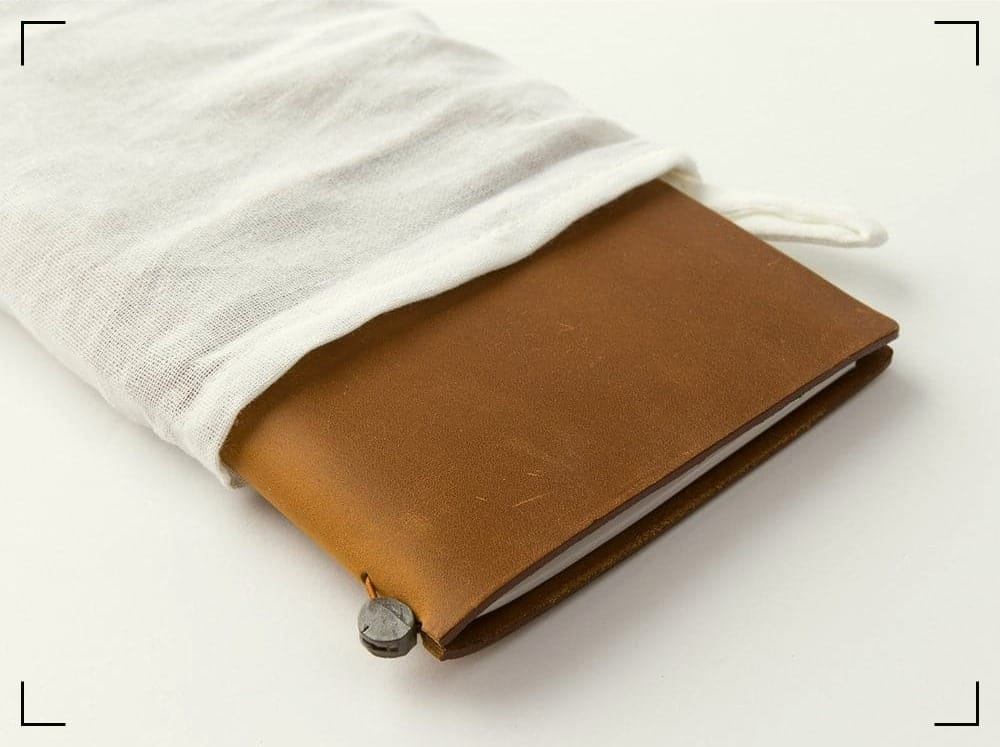
You can tell a lot about a person by the notebook they carry. Not what they write, that’s private. I mean the container. The way it opens. The way it fights back when you try to reorganize your life at 11:48 p.m.
This notebook systems comparison puts four popular setups under the same harsh light: Midori Traveler’s Notebook (TN), Ro-biki, Rotenfaden Taschenbegleiter, and Lochby. You’ll see what each does well, where it trips you, and which one fits your kind of notetaking, the messy kind, the disciplined kind, the half-dreamed kind.
The criteria that matter when you’ll actually use it
A notebook system is a promise you make to yourself. The problem is, you have to live with it. So judge it like you’d judge a coat you’ll wear in bad weather.
Carry size and weight: If it’s heavy, you’ll “forget” it at home. If it’s too slim, it can’t hold the day.
Capacity and modularity: Some systems require you to commit to one book. Others let you split life into “work,” “home,” “projects,” “the stuff you don’t say out loud.”
Writing comfort: Rings, clips, elastic bumps, thick spines, they all show up when you’re trying to write fast in a café booth.
Paper options and fountain-pen friendliness: Ink is honest. Paper either handles it or it doesn’t. With covers that accept refills, you can choose your paper. With single notebooks, you take what you’re given.
Durability and weather resistance: A notebook isn’t a museum piece. It rides in bags, gets rained on, and gets dropped. Some covers age into character; others just look tired.
Ease of refills: If refilling feels like surgery, you’ll avoid it. Then your “system” turns into a stack.
Organization features: Pockets, card slots, bookmarks, and built-in separators. Useful, until they add bulk.
Cost and long-term value: Upfront price stings once. Refills sting forever. Or they don’t, if you picked right.
Aesthetics: Looks matter because you’re human. If it feels good in your hand, you’ll use it more.
Midori TN vs Ro-biki
Slim carry, quick notes, different moods
Traveler’s Notebook (TN): This is the classic drifter setup, leather cover, elastic bands, multiple slim inserts. You can keep a daily log in one insert, project notes in another, and a calendar tucked in like an alibi. As of February 2026, the cover commonly lands around 60 euros, with dated refills like a monthly diary around $12.60 to $12.80 (prices vary by seller and region). The real win is paper. Midori’s MD paper has a reputation for treating fountain pen ink with respect, less feathering, less bleed, fewer regrets.
The trade-off is the cage's shape. TN sizing is its own thing - tall and slim - so you’ll either love the constraint or resent it. Also, elastics are simple until you overstuff them, then the notebook turns into a stubborn brick.
If you want a deeper breakdown of how TN stacks up against Ro-biki in real use, see Traveler’s Notebook vs Yamamoto Ro-biki differences.
Ro-biki: Ro-biki tends to live closer to “notebook first, system second.” Think minimal booklets and wraps, less modular juggling, more grab-and-go. In practice, that can be a relief. Fewer moving parts mean fewer ways to procrastinate by reconfiguring. Some Ro-biki setups rely on a wrap-style cover with storage, which shifts it toward “carry gear” rather than “carry pages.”
The con becomes a pro depending on your personality: if you want to swap sections and archive cleanly, Ro-biki can feel limiting. If you want to write and move on, it’s clean and calm. For an outside look at a popular Ro-biki cover style, check Yamamoto Ro-Biki notebook cover review.
Rotenfaden vs Lochby
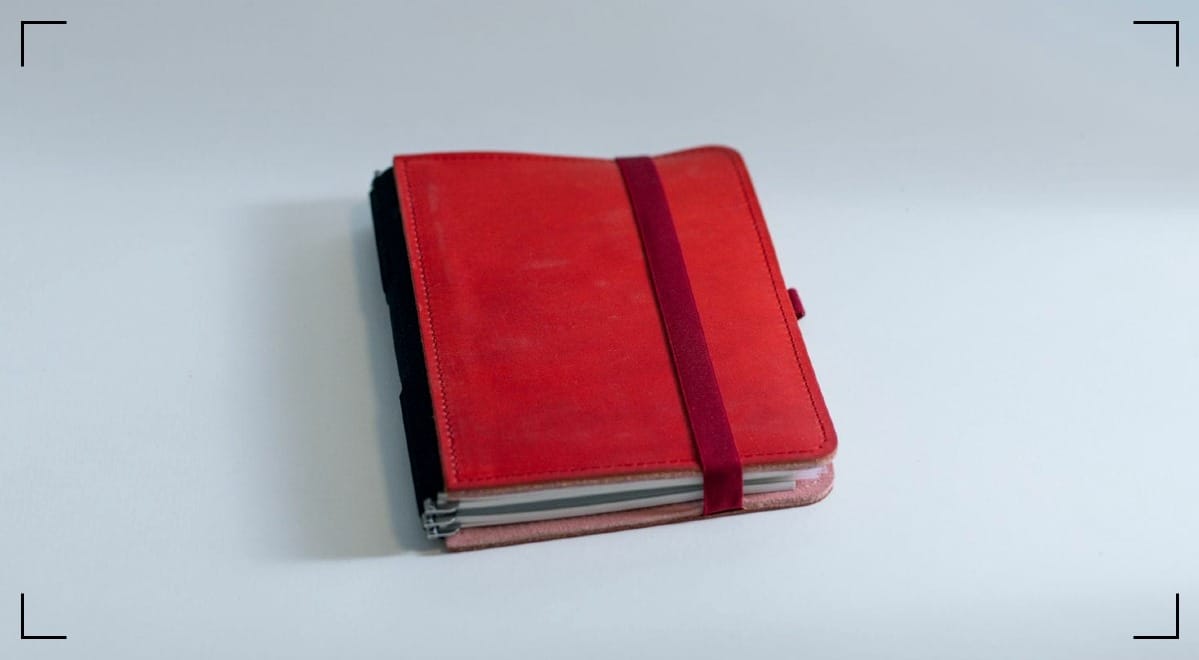
When your notebook has to handle a whole life
Rotenfaden Taschenbegleiter: This one feels like equipment. Felt and leather, a clip and elastic system that holds multiple notebooks in standard-ish sizes, plus pockets for the little paper scraps you swear you’ll file later. It’s modular in a grown-up way, less “cute stationery,” more “portable desk.” The build tends to be the point, and it’s priced like it knows it.
The main downside is the lack of writing comfort when the hardware sits under your hand. Clips and layers can create pressure points. But the same structure is why it stays together for years. If you want to see the current lineup, start on the Roterfaden shop page. If you care about refill compatibility across brands, this helps: notebooks that fit a Roterfaden Taschenbegleiter.
Lochby: Lochby leans practical, waxed-canvas, pockets, and a page-management approach that’s closer to a small binder. It’s for people who want to move pages around without rewriting or re-copying. If your notes are project-driven and constantly shifting, this matters. You can keep reference pages up front, meeting notes in the middle, and a running task list you rewrite only when you mean it.
The cost is physical. Rings and thick spines can make left-side writing annoying, especially if you write small or take fast notes. That “bump” is the price of control. For a real-world rotation that includes Lochby alongside other systems, see a multi-system notebook setup with Lochby in the mix.
Summary ratings and which system fits your notetaking style
Here’s the quick read. Ratings are 1 to 5, with short reasons. No saints here, just trade-offs.
| Criterion | Midori TN | Ro-biki | Rotenfaden | Lochby |
|---|---|---|---|---|
| Carry size, weight | 4 (slim leather) | 4 (light wrap) | 3 (heavier build) | 3 (chunkier) |
| Capacity, modularity | 4 (multi-inserts) | 2 (less modular) | 5 (many booklets) | 5 (rearrange pages) |
| Writing comfort | 4 (flexible) | 4 (simple surface) | 3 (hardware feel) | 2 (ring bump) |
| Paper, fountain pens | 5 (MD paper) | 3 (varies) | 4 (choose inserts) | 4 (choose refills) |
| Durability, weather | 4 (patina tough) | 3 (depends cover) | 5 (built to last) | 5 (waxed canvas) |
| Ease of refills | 4 (swap inserts) | 2 (replace books) | 4 (swap booklets) | 5 (add, remove pages) |
| Organization features | 3 (add-ons) | 4 (pockets) | 5 (pockets, hold) | 5 (slots, pockets) |
| Cost, long-term value | 4 (refills steady) | 3 (lower entry) | 3 (higher upfront) | 4 (solid value) |
| Aesthetics | 5 (classic) | 4 (minimal) | 4 (workshop vibe) | 4 (field gear) |
Best for, in plain human terms:
- Minimalist daily journaler: Ro-biki, if you want less fuss and fewer moving parts. Midori TN if you still want separation (one insert for daily pages, one for lists).
- GTD and project manager: Lochby, when you need to re-order pages and keep stable project sections. Rotenfaden, when you want multiple dedicated booklets that stay put.
- Traveler and field notes person: Midori TN (especially if you like swapping trip inserts), or Lochby if weather and storage matter more than slimness.
- Student or meeting-heavy worker: Rotenfaden if you carry handouts and cards. I wouldn't opt for the Midori TN because of its size. But if you want a lighter kit with dated refills, that's the one.
- Creative writer and idea hoarder: Midori TN for draft insert rotation, Rotenfaden if you want separate “world,” “plot,” and “scenes” books.
- Fountain pen user: Midori TN is the safer bet out of the box, Rotenfaden and Lochby can match it if you choose fountain pen-friendly refills.
Closing the cover
Choose the friction you can live with
You’re not buying paper. You’re buying a habit, and the kind of resistance that habit puts up. Midori TN is flexible and ink-friendly, a good companion when you want structure without a cage. Ro-biki stays quiet and gets out of your way. Ink-friendly too, BTW. Rotenfaden carries a lot and doesn’t scare easy. Lochby gives you control, then makes you pay for it with bulk. And it has that Indiana Jones vibe: One day it's about groceries in the local supermarket, the next about a long-forgotten pyramid in the desert.
Pick the one that makes you want to open it tomorrow. That’s the only metric that doesn’t lie.
Inside tip
It's OK, we understand: One day you're a CEO, the other a world traveller and in the week-ends Rick O’Connell chasing The Mummy.
Why choose? Get a couple and enjoy. And don't forget the mother of all systems: the Filofax. ;-)