Let me introduce you to the Belgian Malinois
The Dog That Won't Let the Day Stay Quiet.
You're in a dim back room, turning over a stack of old negatives. Each frame holds a truth you can't unsee. Some are soft, some are sharp, but the good ones have tension in them. That's what living with a Belgian Malinois feels like.
This isn't a breed you "try out." It's a working dog with a bright mind and a hot engine.
If you underestimate the drive, your house becomes the crime scene. Chewed trim. Split cushions. A dog pacing like a metronome that never stops.
Let me introduce you to the Belgian Malinois.
What a Belgian Malinois is built for
And why that matters at home.
The Belgian Malinois, also called the Belgian Shepherd (Dutch: Belgische Herder) or the Belgian Sheepdog (Dutch: Belgische Herdershond), is a Belgian breed of herding dogs and takes its name from the town of Mechelen (Malines in French), where shepherds in the late 1800s needed dogs that could work all day. Not "go for a walk" work. Real work. Herding, guarding, and moving animals with speed and judgment. There are four different varieties,
That blueprint still runs the show. Today, Malinois show up in police work, detection, search-and-rescue, military roles, and bite sports. They move fast, think fast, and stay hungry for the next task. You can read a clean, mainstream overview on the AKC breed page, but the lived-in truth is simpler: they were bred to solve problems until the sun quits.
So when you bring one home, the dog doesn't turn into furniture. It turns into a worker without a job. Bored Malinois don't rest. They invent. They reorganize your life with their teeth and their endless energy.
They're also one of four Belgian herding types (Malinois, Tervuren, Groenendael, Laekenois). In the US, kennel clubs identify the Malinois as a distinct breed; the AKC recognized it in 1959. History matters here because it explains the pressure in the breed. This dog wasn't designed to be idle.
A Malinois without structure is like a camera bag left open in the rain. Nothing good happens next.
Quick snapshot, size, coat, and the look people mistake for "easy"
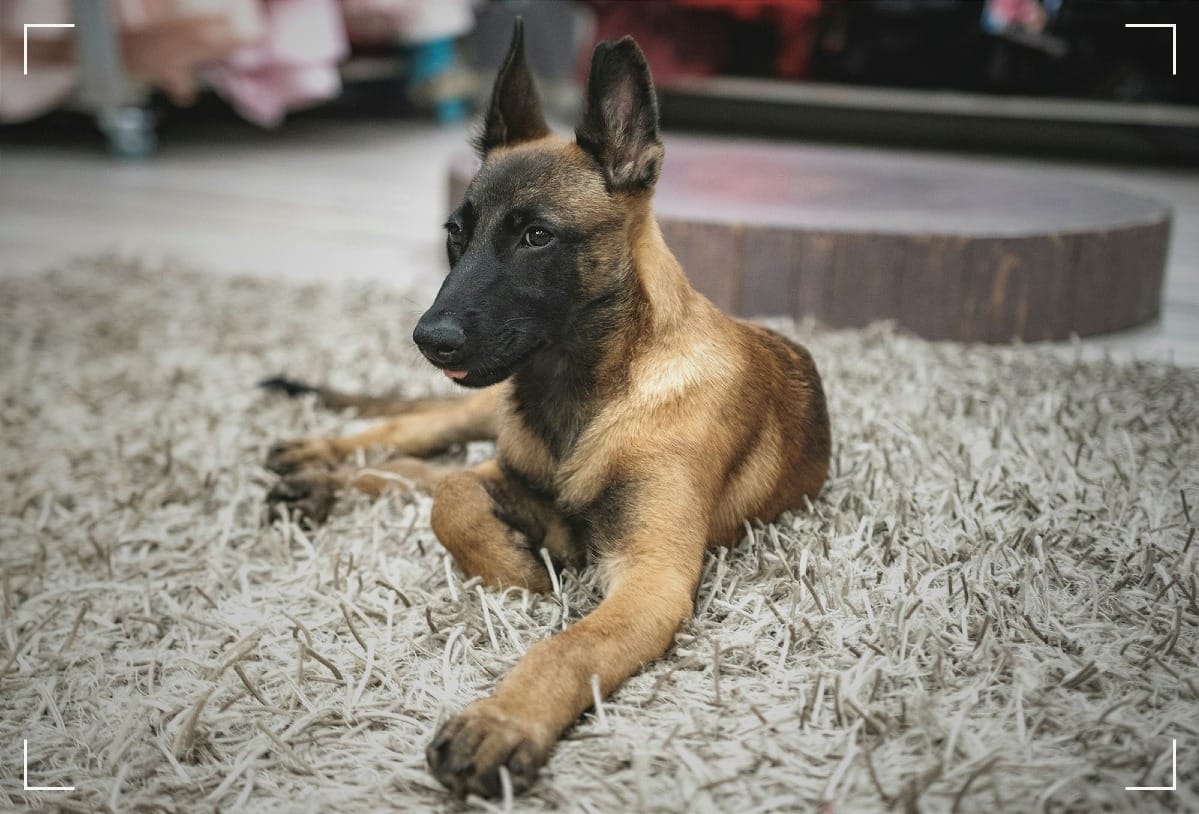
In plain terms, you're looking at a medium-to-large dog, athletic and lean, built like it can jump a fence and still have gas left.
Males typically stand 24 to 26 inches at the shoulder and weigh 60 to 80 pounds. Females measure 22 to 24 inches and weigh 40 to 60 pounds. That range aligns with the official standard; for the formal measurements in black and white, see the AKC breed standard PDF.
They carry a short, weather-resistant double coat. Colors often run from fawn to mahogany with a black mask. Ears stand up like they're always monitoring the room.
Grooming is the easy part. Brushing is basic. Training is the real bill.
This is not a dog, it's a laser-guided missile.
Temperament in plain English: loyal, intense, and always switched on
A good Malinois bonds hard. Often, it's to one person. You become the center of the frame, and the rest of the world sits on the edges.
You'll also get alertness that never quite powers down. They track movement. They watch doors. They read strangers like a contact sheet, scanning for changes, for threat, for meaning.
"Reserved with strangers" doesn't equal "aggressive," but it can slide that way if you let fear or overprotection grow. Early social time matters because they remember everything. Not just the good.
Most importantly, this isn't a laid-back couch dog. They want to be near you and do something with you. Leaving them alone in a yard is like locking a smart person in an empty room. They won't come out calmer.
Daily life with a Malinois
The routine you need before you commit.
If you're used to casual dog ownership, the Malinois will feel like a hard edit. No fluff, no excuses. You either build a routine, or you watch your day get taken over.
Exercise matters, but not as a single number. Yes, more than 40 minutes a day is a baseline for most adults, and many need more. Still, the quality matters more than the stopwatch. A Malinois can run for miles and come home wired, because you trained stamina, not calm.
Think in terms of a daily workflow, like managing photos on the road. Ingest, edit, archive. The holy trinity. With a Malinois, it's move, think, settle.
Here's a simple day plan you can actually live with:
- Morning: a brisk training walk (loose-leash work, sits at corners, short recalls).
- Midday: a puzzle, a scent game, or five minutes of focused obedience.
- Evening: structured play (tug with rules) or a sport session (agility basics, tracking, bitework with a pro).
Your job is to keep the dog's brain busy, then teach it how to stop. Firm but fair training wins. Harsh handling usually backfires. These dogs don't forget. Pressure leaves marks.
When you skip structure, you often see the same set of problems. Chewing. barking. nipping. chasing bikes or kids. Anxiety that looks like pacing, whining, or shadowing you from room to room. For a practical care rundown, including day-to-day needs, you can compare notes with PetMD's Malinois care guide.
Cesar Milan calming a Belgian Malinois.
Exercise is not just running; give them a job for their brain
If you only throw a ball, you build an athlete who can't relax. You also build an obsession. Endless fetch makes a fitter, more frantic dog, and it can turn into a compulsion.
Instead, rotate activities that add thinking and control:
- Scent games in the house (hide treats, then raise the difficulty).
- Tracking-style walks where the dog follows a trail in the grass.
- Short obedience reps (heeling, positions, recalls) with clear rewards.
- Tug with rules (start, stop, out, settle) so excitement has a brake.
- Agility foundations such as target touches and low jumps, performed safely.
- Hide-and-seek with family members, using calm holds before release.
Mix intensity with calm practice. Teach a settle on a mat. Reward stillness. Leash manners aren't boring; they're survival.
Training and socialization, how you build a safe, confident dog
Training starts early because habits harden fast. A Malinois learns at a scary speed, and that's both a gift and a problem. They notice everything, including your mood, your timing, and the one sloppy cue you repeat all week.
Socialization also needs a reset in your head. It doesn't mean forced greetings. It means calm exposure. Watching people from a distance. Hearing skateboards without panicking. Walking past dogs without needing to meet them. You're building a dog that can stay neutral.
Get help if you see red flags that keep growing, like:
- Reactivity that escalates (lunging, screaming, hard staring).
- Fear biting or snapping when cornered.
- An inability to settle, even after exercise.
A qualified trainer can save you years. For a broad, owner-friendly view of temperament and training needs, see The Spruce Pets Malinois profile.
Health, lifespan, and a checklist for deciding if this breed fits you
A Belgian Malinois often lives about 12 to 14 years, sometimes longer, with good genetics and care. As of February 2026, there has been no sudden surge in issues. The familiar risks still headline the list.
Joint problems matter, especially hip and elbow dysplasia. Allergies show up in some lines. Epilepsy can appear, too. Eye conditions such as cataracts and progressive retinal atrophy are discussed in breed health discussions. Bloat (GDV) is also a real emergency risk in deep-chested dogs. Rare genetic issues can arise in some working lines, so don't assume "working blood" is automatically healthier.
Pick a responsible breeder who health tests. Or work with a rescue that knows the breed and won't hand you a loaded gun with a wagging tail.
Before you commit, run this checklist like you're checking backups before wiping a drive:
- Do you have time each day for training and structured exercise?
- Do you have experience with dogs, especially with high-drive breeds?
- Can you pay for training, equipment, and veterinary care when things go wrong?
- Do you have space to manage the dog safely (not acres, but control)?
- Can you live with a dog that wants a job every day?
Conclusion
If you give the Belgian Malinois a job and a steady routine, you get something rare. A devoted partner. A bright mind. A dog that makes the world feel sharper, like fresh film pulled from the tank.
If you don't, the dog pays you back in stress. You'll see it in wrecked doors, shredded cushions, and a mind that can't settle. The breed doesn't turn bad; it turns desperate.
So take the next step with your eyes open. Audit your schedule. Talk to trainers and people who live with Mals. Be honest about what you want. If you're ready for structure, this dog will meet you there and then push you further.