How To Fly With Fountain Pens
But Without Leaks Or Mess

You've got a boarding pass, a pocket full of lenses, and a bag that smells like rain and old receipts. You also have fountain pens, because you still believe in leaving a mark that doesn't vanish when the battery dies.
Then the cabin climbs. Pressure shifts. Ink gets ideas.
Here's the truth: leaks can happen, but they're not guaranteed, and they're not a curse. If you want to fly with fountain pens without turning your shirt pocket into a crime scene, you need to understand the culprit, prep your tools, and pick notebooks and paper that don't fold under pressure.
Why fountain pens leak on planes (hint: it's the air)
A fountain pen usually behaves because the ink and feed keep a fragile balance. On a plane, that balance gets bumped.
The most common villain is related to ground pressure. During takeoff, cabin pressure drops relative to ground pressure. That trapped air expands, and it has to go somewhere. If the only exit is through the feed, it pushes ink with it. Right through the nib. Simple physics. Ugly results.
So your goal is to reduce the air or give it a safer path.
Two rules do most of the heavy lifting:
- Keep the reservoir full when you board. Less airspace means less expansion, which means less ink being pushed out.
- Store the pen nib-up during climb and descent, so expanding air can rise without forcing ink through the feed.
If you want a second opinion in plain language, this video lays out the same logic without the drama: how to avoid inky disasters when flying.
Sometimes you want zero risk, not low risk. In that case, you go colder.
Empty the pen before flying. No ink, no spill. It's not romantic, but it's clean.
Here's a quick way to think about your options:
| Pen setup in-flight | Leak risk | Best use case |
|---|---|---|
| Completely full (minimal air) | Low | You want to write mid-flight |
| Cartridge pen with a fresh cartridge | Low to medium | Simple travel kit, less mess |
| Half-full converter or piston | Medium to high | Avoid if you hate surprises |
| Completely empty | Near zero | You only need the pen after landing |
The takeaway: air space is trouble. Either fill it, or remove it.
If your pen "always" leaks on planes, treat that as a clue. Something may be loose, cracked, or misfit, and altitude just exposes it.
Prep your fountain pens before you board
Like you're checking a camera body
You don't walk into a paid shoot with a sticky shutter button. Don't fly with a pen you haven't checked.
This part is weirdly calming. A small ritual. You focus on parts and tolerances, and the rest of the world gets quiet for a minute.
Do a fast pre-flight inspection
Keep it basic, because basic works:
- Cap check: cap it firmly. A loose cap invites ink into places you don't want to clean in an airport bathroom.
- Fill check: either fill it all the way, or empty it fully. Half measures leak first.
- Seal check: tighten the section and barrel, and make sure the converter or cartridge seats properly.
- Clean check: if a pen has been acting strange, flush it before you travel. Old ink and grit turn into hard starts, then panic.
If a pen still leaks even when you've kept it clean, assume hardware is involved. Track the source like you're tracking a light leak.
A leak from the nib or cap usually points to the nib and feed area. A leak from the body suggests an air leak in the barrel or reservoir, or a crack you can't see until it's too late. If you need repair leads while you're on the road, keep a shortlist like this page of fountain pen shops and resources.
Pack like you expect turbulence
A pen rolling loose in a bag is a pen begging to fail. Give it a home.
A few habits help more than fancy gear:
- Carry-on beats checked luggage. The cabin is pressure-controlled. The cargo hold is where luggage goes to get punished.
- Nib-up when you can. Shirt pocket, pen case, side pocket in your bag, pick your poison.
- Keep pens cool. Body heat can expand the air inside a converter and push ink forward. Don't store a pen tight against your skin for hours.
- Don't use your back pocket. You'll sit, you'll forget, you'll crack something, then you'll blame the plane.
If you want a travel sketcher's version of the same advice, read how to travel with pens. Same rules, different scars.
Security is usually a non-event, but liquids rules can still matter if you carry bottles. For a practical summary that won't melt your brain, see TSA-focused best practices for fountain pens and ink.
Write in the air, archive on the ground (paper, systems, and the quiet machinery)
You're not just transporting pens. You're transporting a workflow. Notes become drafts. Drafts become captions. Captions become receipts for your memory.
The trap is thinking that any paper will do. On a plane, fountain pen paper matters even more because you write cramped, you turn pages too soon, and you don't have a desk blotter. Pick the wrong sheet and the ink feathers like a bad alibi.
Travel notebooks that don't fall apart
If you live out of a bag, you need covers and formats that take a hit:
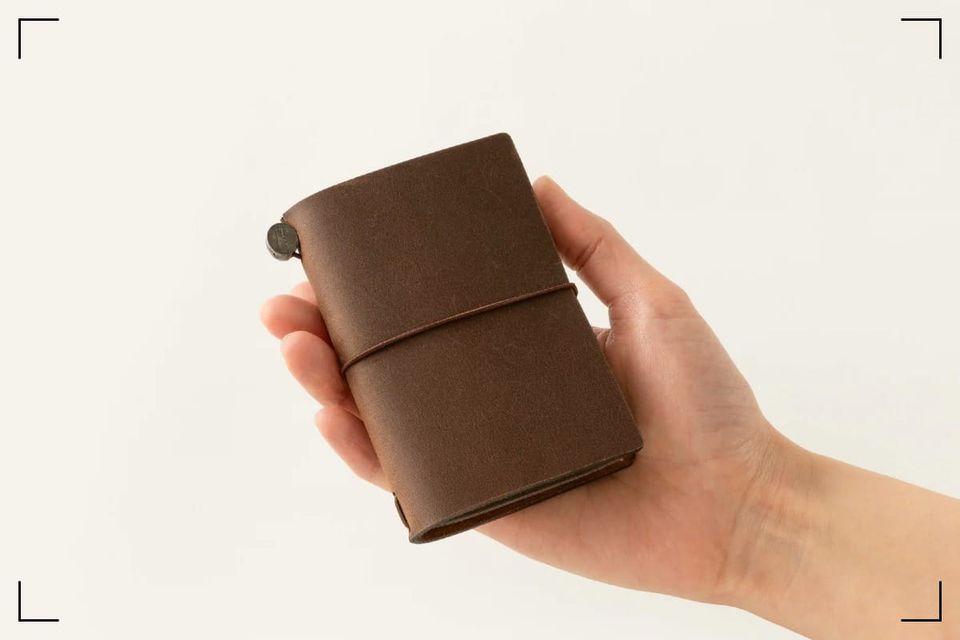
- Traveller's Notebook setups carry like a passport with a pulse. Add inserts for trip logs, shot lists, or contact info.
- Rotenfaden covers (often spelled Roterfaden in shop listings) are modular, which helps when your work and personal notes need to be separated.
- Ro-Biki style notebooks are tough and linear, good when you want one chronological trail.
Paper choice is the second half of the deal:
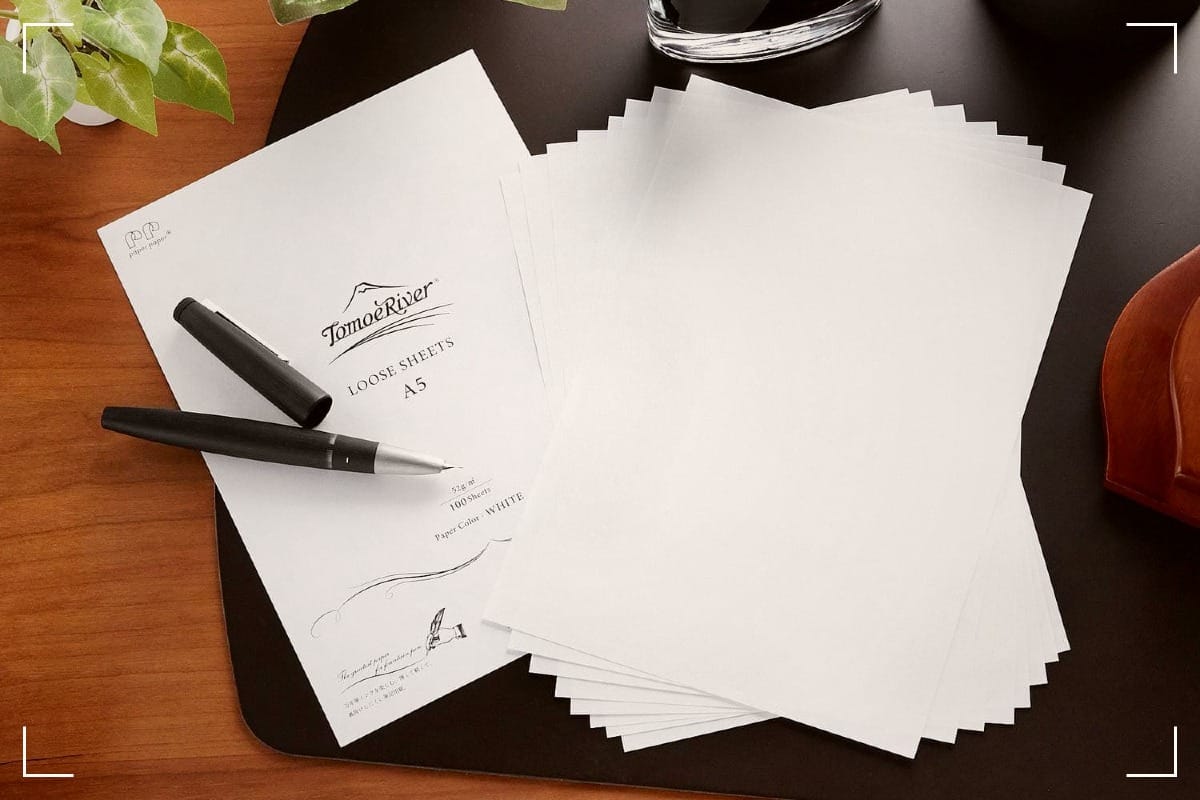
- Tomoe River Paper is thin, but it can be strong. If you're picky, you'll hear people argue about Tomoe River 52grm paper versus Tomoe River 68grm paper. The heavier sheet usually feels steadier when you're in a rush.
- Midori paper light keeps your carry weight down, which matters when every gram is already spoken for.
- Rhodia paper and Clairefontaine paper tend to behave well with everyday inks, especially when you need clean lines more than wild sheen.
- Yamamoto paper samplers help you test without gambling on a whole stack of notebooks.
In-flight writing rules that save your sleeves
Write during the cruise if you can. Climb and descent are when pressure shifts hardest.
When you stop writing, cap the pen. Store it nib-up again. Also, open the cap slowly. If ink has pooled in the cap, ripping it off fast is how you get that little explosion on your fingers.
If you're a lefty or you smear easily, keep a scrap sheet under your hand. Not glamorous. Very effective.
Turn analog notes into a searchable archive
This is where digital nomads and analog nomads stop pretending they're different species. You can keep a paper life and still run a tight archive.
After landing, treat your pages like you treat your RAW files:
Ingest, edit, archive.
Scan or photograph the pages you need. Name files with dates and locations. Add simple keywords (client, city, lens, project). Then back them up twice. On macOS, you can automate the "drop scans here, auto-rename, move to archive" routine with Finder actions or Automator. On Linux, a small rsync script to an external SSD keeps you honest.
If you want that same mindset in a paper system, a Plotter binder works like a moving contact sheet. Keep active pages close, archive the rest. This guide on occur when air expands frames it correctly: capture fast, curate later.
Conclusion, summary, key takeaways, links, download(s)
(Reserved for paying members)