Dessa 2026 Shows
The Minneapolis Performer Who Raps, Sings, and Writes Like It Matters.
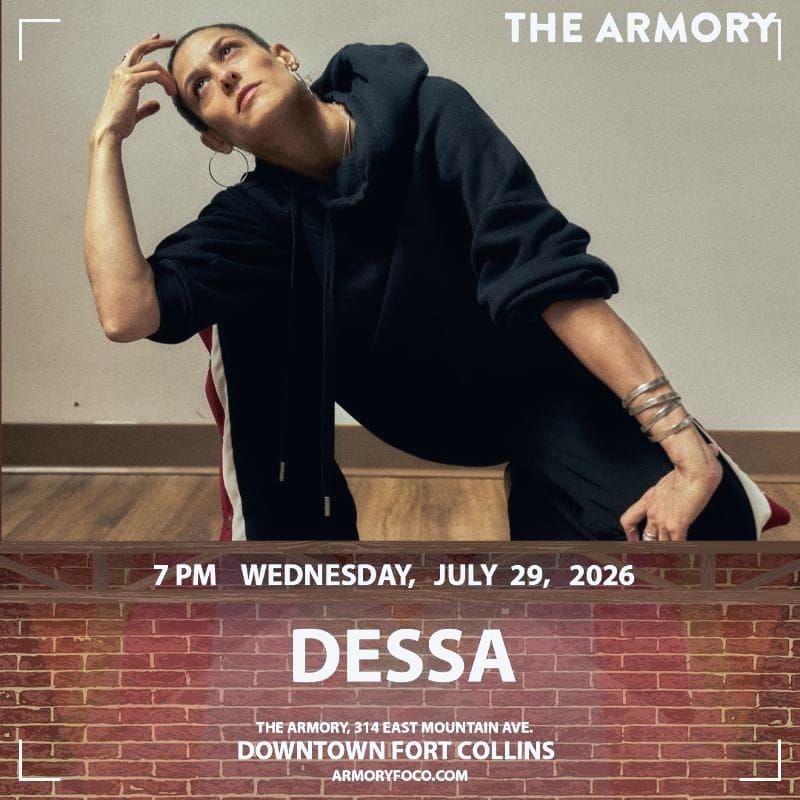
Imagine a dim room with bad heat and good silence. You're flipping through old show flyers that smell like basement glue. Lyric scraps sit in the corner of the box, folded and refolded until the creases look permanent. A name keeps showing up, stamped like a date on the back of a print: Dessa.
Dessa is a Minneapolis performer who raps, sings, and writes like sand in the bearings of life. You don't come out with the same steady hand. The Dessa story doesn't read like a straight line; it reads like a contact sheet, proof that range can still feel personal.
By the time you're done here, you'll have a clear sense of her sound, her reach, and why people keep following her work from room to room.
So who is Dessa, and what makes her stand out on stage?
You don't have to memorize a timeline to understand her. You just have to picture a performer who treats words like evidence. Minneapolis is the soil she comes out of, and it shows in the way she balances grit with craft. She's known for blending rap and singing, but the trick isn't the blend. The trick is that she stays readable while she does it.
On stage, she carries a mix of wit and tenderness, plus the kind of rigor you can't fake. She'll crack a line that lands dry, then turn and hit you with something soft enough to bruise. The candor matters. You get the sense she's not there to "perform a persona." She's there to tell the truth as cleanly as she can, even when the truth is messy.
Her work has moved through very different rooms. Think rock clubs where sweat fogs the air, then formal concert halls where the silence has rules. She's been the kind of artist who can crowd-surf one night and show up in a suit-ready venue the next, without treating either space like a novelty. That range is part of the point.
If you want a simple, grounded read on how she talks about her music and her Twin Cities history, start with this MPR News interview on her new music and two decades in the scene. It's not mythology, it's context.
A voice that switches lanes without losing the plot
Her voice changes gears fast. Rap to melody, melody back to rap. Still, it doesn't feel like a costume change. It feels like one narrator moving closer to the lens, then stepping back.
You hear it in the clarity. Her lyrics don't slur into the mood. They stay sharp, even when the feeling gets loud. That matters because emotional directness can turn sloppy in the wrong hands. With her, the delivery stays controlled. The edges stay clean.
A good analogy is shooting in mixed light. Fluorescent spill, streetlamp orange, cold daylight through a door crack. Most people fight it or hide it. She composes with it. She uses the shift to show you another angle of the same thought.
Bigger than a genre label, she treats every room like a real audience
Some artists act differently when the room gets "serious." Dessa doesn't. She respects the crowd in a club and the crowd in a hall, and you can feel that as a listener.
In intimate spaces, she can make a line feel like it's meant for your row alone. On bigger stages, she doesn't go broad just to fill the air. She projects without flattening. Even when the arrangements grow up around her, the words still matter.
If you're listening on headphones, do yourself a favor and get your setup honest. A clean signal helps you catch the consonants, the breath, the intent. This internal guide, Make headphones sing on Linux, is a practical way to tune your playback without buying into nonsense.
The work around the music, writing, speaking, and ambitious collaborations
When you keep sorting through the box, you find receipts. Not financial, creative. Proof that her "performer" label is too small.
She's contributed a track to The Hamilton Mixtape, which is a strange checkpoint for any indie-minded rapper, but it fits her. She can write inside a big machine without losing her own spine. She's also co-written for large choirs, which forces a different kind of discipline. A choir won't let you hide behind swagger. It makes you build a structure that other voices can carry.
Then there's the orchestral work. She recorded a live album with the Grammy-winning Minnesota Orchestra, putting her songwriting in a setting where timing and dynamics come with teeth. It's not a gimmick. It's a real test of control, the musical version of shooting on film with only a few frames left.
Her public-facing voice extends beyond music. She's written for outlets like The New York Times and National Geographic Traveler. She also speaks regularly, including a TED Talk that got wide attention because she didn't talk about love like a greeting card. She talked about it like an experiment, including a self-run effort to fall out of love, and what that taught her about the brain and the stories you tell yourself.
For a quick sense of how that speaking career gets framed, see her profile at Collective Speakers. It lays out the same pattern you hear in the songs: language first, then the pulse.
Doomtree and the Minneapolis engine behind her early momentum
Doomtree matters here because scenes matter. Doomtree is a Minneapolis hip-hop collective built on independence and shared labor. That kind of structure does something to an artist. It gives you a circle that pushes back, shows you your weak spots, and makes you ship work instead of polishing forever.
It also changes your idea of success. You learn to build your own stages, your own releases, your own rules. That mindset sticks, even when the rooms get bigger. It's why her output can move between formats without feeling like she's asking permission.
If you want a direct, human account of how she grew into this work, her interview at The Great Discontent reads like a set of field notes. You see the language obsession early, then you watch it become a job.
A performer who thinks like a writer, and writes like a performer
Her writing doesn't feel like "side content." It feels like part of the same engine. On stage, she builds tension with pacing and payoff. On the page, she does the same, just quieter.
Her memoir-in-essays, My Own Devices (US or BE), shows that she's interested in structure, rather than just confession. You get travel, science, loyalty, romance, the whole messy inventory of a life that moves city to city. The point isn't glamour. The point is attention.
Her poetry work Tits on the Moon makes the performer's side obvious, because those poems live best when spoken. They're built with timing in mind. Breath. Pause. That's the signal to fans. She cares about language and architecture, not only hooks. She'll give you a chorus, sure, but she'll also give you a line that keeps ringing when the track ends.
Conclusion
Dessa is a Minneapolis performer who raps and sings with a writer's precision and a live-wire calm. Now go and
- Listen with focus, not shuffle, and let the lyrics land before you judge them.
- Watch the KEXP set above and notice how she holds the room without rushing it.
- Read an essay from My Own Devices when you want the same voice, just on paper.
Stay curious. That's where her work lives. Go see her, you won't be disappointed.